Perspectives & patient research
Rhinoplasty for Breathing Concerns: Understanding Functional Nasal Surgery
Breathing concerns can involve the septum, turbinates, nasal valves or external framework. “Functional” describes a goal, not one universal operation.
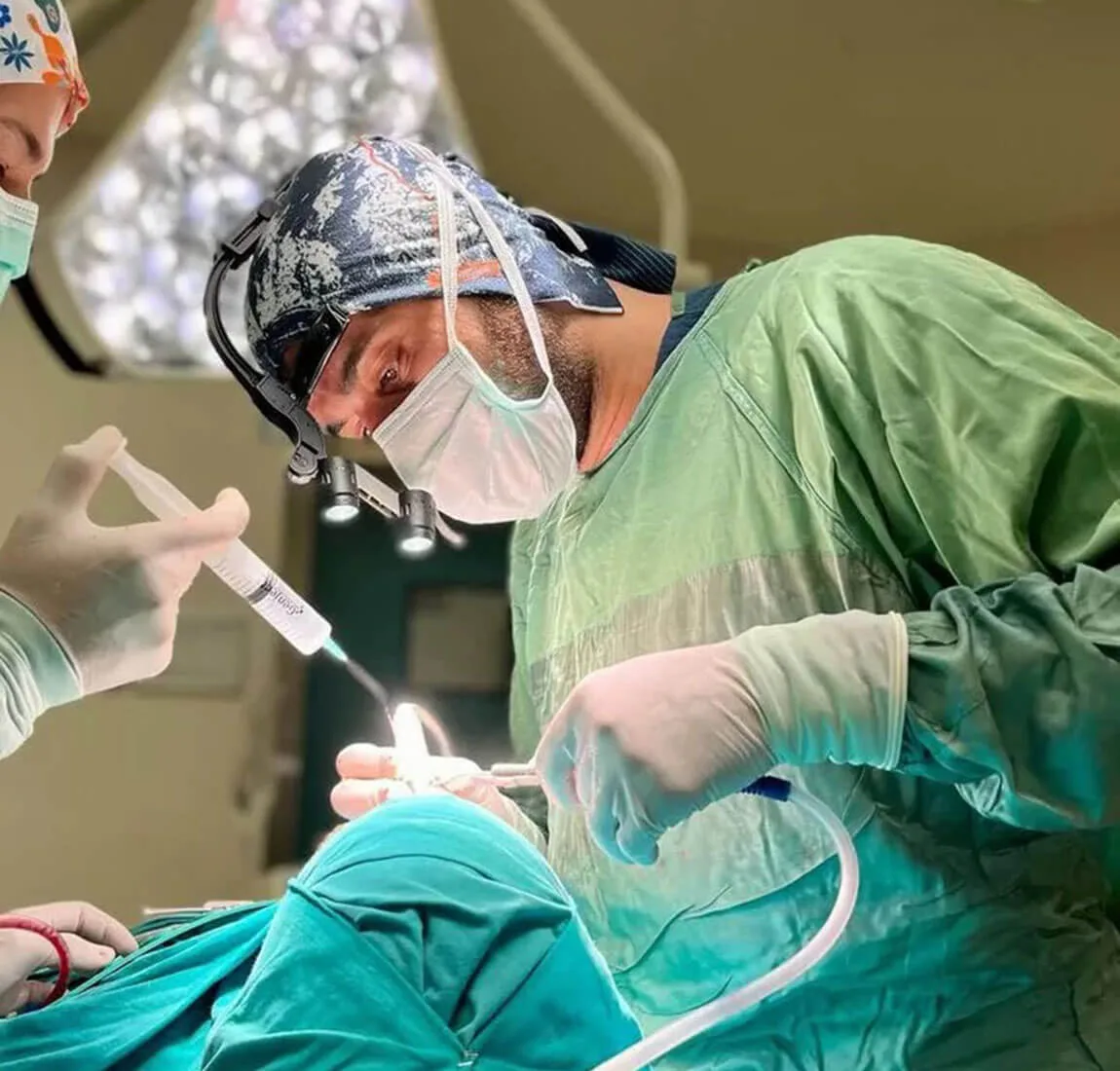
Functional nasal surgery aims to address a documented structural contributor to nasal breathing difficulty. The relevant structure may be the septum, turbinates, nasal valves, external framework or a combination. “Functional rhinoplasty” is therefore not one standard operation, and surgery cannot promise a particular breathing outcome.
Start with the cause, not the procedure name
Nasal blockage can be structural, inflammatory or mixed. A history and physical examination help distinguish persistent structural narrowing from symptoms that may change with allergy, infection or the normal nasal cycle. The AAO-HNS rhinoplasty guideline focuses on evaluating both nasal form and function and on setting clear expectations.
The nasal septum
The septum divides the two nasal passages. When a deviated septum contributes to obstruction, septoplasty may be considered. The AAO-HNS septoplasty indicators also call for examination of other possible contributors rather than assuming the septum is the only cause.
Septoplasty principally addresses the internal partition. If external shape or support also needs treatment, the discussion may shift to septorhinoplasty or functional rhinoplasty. The guide to septoplasty versus septorhinoplasty explains that distinction.
The turbinates
Turbinates are structures along the side walls of the nose that help warm and humidify air. Enlargement can contribute to obstruction, but treatment depends on the cause and response to medical management. AAO-HNS guidance on inferior turbinate procedures treats turbinate surgery as a distinct anatomical and clinical decision, not an automatic part of septal surgery.
The nasal valves and external framework
The nasal valve region is a narrow part of the airway. Weakness or collapse of the lateral wall may require a different assessment from septal deviation. The AAO-HNS position statement on nasal valve repair describes clinical evaluation of valve collapse and notes that septoplasty or turbinate treatment does not substitute for valve repair when valve dysfunction is present.
The external bony and cartilaginous framework can also influence airflow. A visibly crooked nose does not prove the cause of obstruction, and a nose that looks straight can still have functional narrowing.
How the common terms relate
- Septoplasty: surgery focused on the septum.
- Turbinate surgery: a separate intervention for selected turbinate problems.
- Septorhinoplasty: septal surgery combined with work on the external framework.
- Functional rhinoplasty: framework-focused planning intended to address a functional concern; the exact techniques vary.
- Aesthetic rhinoplasty: changes visible form, although form and function should still be assessed together.
Questions for an assessment
- Which structure appears to contribute to the symptoms?
- Have inflammatory causes and appropriate nonsurgical care been considered?
- Is the concern constant or variable?
- Does the proposed plan address the septum, turbinates, nasal valves or framework?
- How will symptoms and expectations be documented before and after treatment?
Explore functional rhinoplasty, septoplasty, septorhinoplasty and turbinate surgery. These pages explain service intent; only an assessment can determine personal suitability.
Sources and further reading
Rhinoplasty Team Turkey
Continue your research
Rhinoplasty Team Turkey