When do results become apparent?+
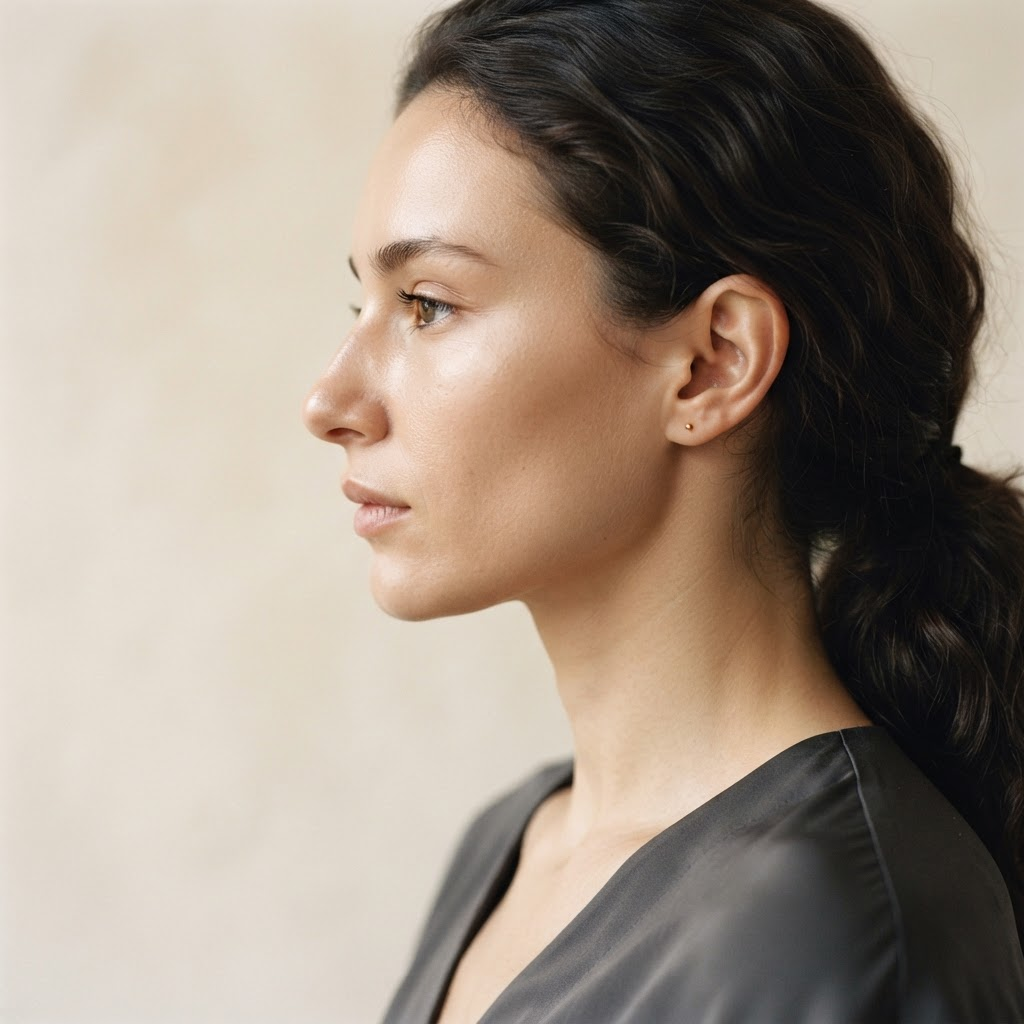
Rhinoplasty results appear gradually. Most visible swelling and bruising ease within the first few weeks, and the nose begins to look more like itself over the following months. Subtle refinement — particularly in the tip — can continue for a year or longer as deeper swelling resolves. Patience during healing is an important part of the process.
What is recovery like?+
Recovery follows the plan used for the individual procedure. Early swelling and bruising often improve first, while refinement may continue for many months. Exact timing varies and is confirmed by the clinical team.
What are the possible risks and limitations?+
Any surgery carries risks, including those related to anaesthesia, bleeding, infection, prolonged swelling, asymmetry and results that may differ from expectations. Surgery also works within the limits of your existing anatomy and cannot replicate another person’s nose. Some concerns take time to settle and, in a minority of cases, further treatment may be considered. Your surgeon explains the risks relevant to your situation before any decision is made.
Why does individual assessment matter?+
No two noses — or faces — are the same, and general information can never replace a personal evaluation. Factors such as skin thickness, cartilage strength, previous surgery, breathing and your own goals all influence what is appropriate and realistic. This is why nothing on this page is a diagnosis, and why a plan is only confirmed after an in-person examination.
What should I discuss with the medical team?+
Share what specifically bothers you, any photographs of the appearance you have in mind, your full medical history, any previous nasal surgery or injury, breathing difficulties, allergies and current medication. It is equally important to discuss your expectations openly, so the team can explain what is realistically achievable for your anatomy before any decision is made.
What does the consultation involve?+
Your journey begins with a preliminary online assessment, where you share photographs and describe what you would like to change. This first step is informative and non-binding. A final treatment plan is confirmed only after an in-person clinical examination in Antalya, where your nasal anatomy, skin, breathing, general health and personal goals are assessed together and the recommended approach is explained to you.
How does this work for international patients?+
Our patient coordinator helps organize the timing of your visit, airport transfer, accommodation and appointments, so the medical and travel sides are handled together. You receive guidance before you travel, in-person support throughout your stay in Antalya, and structured remote follow-up once you return home. Specific timings are always confirmed as part of your individual plan.