What is a brow lift?
A brow lift is a facial aesthetic procedure intended to reposition the brow for a more refreshed, open appearance to the upper face. Suitability is determined by clinical evaluation.
Individual planning · Antalya
Assessment of eyebrow position and its relationship with the forehead and upper eyelids, rather than upper-lid skin alone.

Facial Aesthetics
A brow lift is a facial aesthetic procedure intended to reposition the brow for a more refreshed, open appearance to the upper face. Suitability is determined by clinical evaluation.
It may suit those who feel the brow has descended or sits low, contributing to a tired or heavy look in the upper face. It is intended as a subtle refinement.
Suitability depends on brow position, eye comfort, health and realistic expectations. Describe previous eyelid or forehead procedures, dry-eye symptoms, smoking and medicines. A low-looking brow in a photograph alone is not enough to select an operation.
Ask which part of the brow would move and why. The surgeon should explain the access points, likely scars, hairline implications and alternatives, including no surgery. A combined eyelid procedure needs its own indication and risk discussion.
Facial contour in context
Cheek, temple, brow and chin concerns are considered within the whole face. The illustration shows a planning framework, not surgical markings or a promised contour.
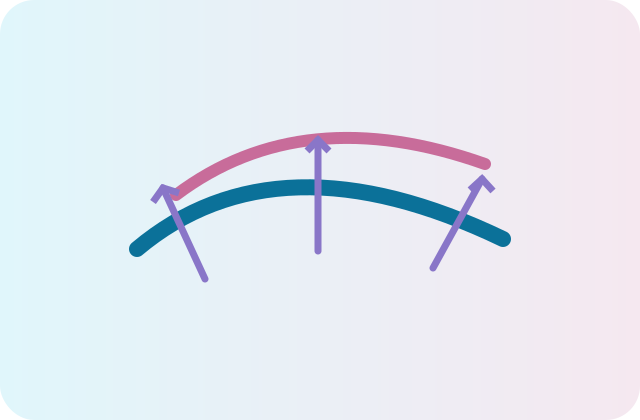

Temporal lift planning emphasizes the temple and outer brow. Brow lift planning considers eyebrow position and its relationship with the forehead more broadly. A temporal approach can fall within brow-lift planning; these are not necessarily mutually exclusive operations. Examination of the brow, eyelids and your goals determines the appropriate scope.
Discuss bleeding, infection, anaesthetic risks, noticeable scars and healing problems. Brow asymmetry, altered forehead sensation, hair loss near incisions or a raised hairline may occur. Facial nerve injury can affect movement; eye irritation or dryness and further surgery are also possible. Ask which risks are most relevant to the proposed approach.
Is my concern mainly brow position or upper-lid skin? Where would the incisions sit relative to my hairline? What movement or sensation could be affected? How will you account for my existing asymmetry? Who will assess an unexpected problem after I travel home?
Request a written quotation after assessment. The proposed procedure and care plan determine cost. Confirm anaesthesia, follow-up and any agreed accommodation or transfers in Antalya before booking; no travel package is automatically all-inclusive.
A brow lift changes brow position; it does not replace upper-lid skin assessment or treat every cause of a heavy eyelid. Existing asymmetry may remain, and future ageing continues. Agree the intended change in expression rather than a promised height or shape.
Your surgeon sets wound and hair care, any prescribed medicines, activity restrictions and review dates. Swelling or bruising can affect how the brow looks early on. Obtain written instructions and a clinical contact before leaving; neither a work date nor flight clearance should be inferred from photographs.
Facial aesthetic results appear gradually as swelling settles over the following weeks, with the refined, settled appearance developing over the months that follow. Your surgeon explains the likely timeline for your procedure.
Surgery carries risks including bleeding, infection, anaesthesia-related problems, prolonged swelling, asymmetry and results that differ from expectations. The relevant risks and limits depend on the procedure, your anatomy and your medical history. Ask the treating clinician to explain these before deciding; no particular appearance can be guaranteed.
Describe the facial area that concerns you, your goals, previous treatments, medical history and medication. An online enquiry is preliminary; an in-person clinical evaluation is needed to decide whether a procedure is suitable and to confirm the plan. Ask how the proposed approach differs from alternatives and what aftercare it requires.
The patient coordinator can help discuss appointments, accommodation and transfers in Antalya. Confirm the scope of arrangements, follow-up and travel timing for your individual procedure before booking. General recovery information is not personal clearance to travel.
Patient Coordinator
Questions about suitability, travel or recovery? Get clear, preliminary guidance before any clinical decision is made.
Private, preliminary guidance for international patients