Perspectives & patient research
Rhinoplasty Recovery Timeline: What to Expect Week by Week
A source-backed guide to the first week, changing swelling, visible recovery and the months of gradual refinement after rhinoplasty.
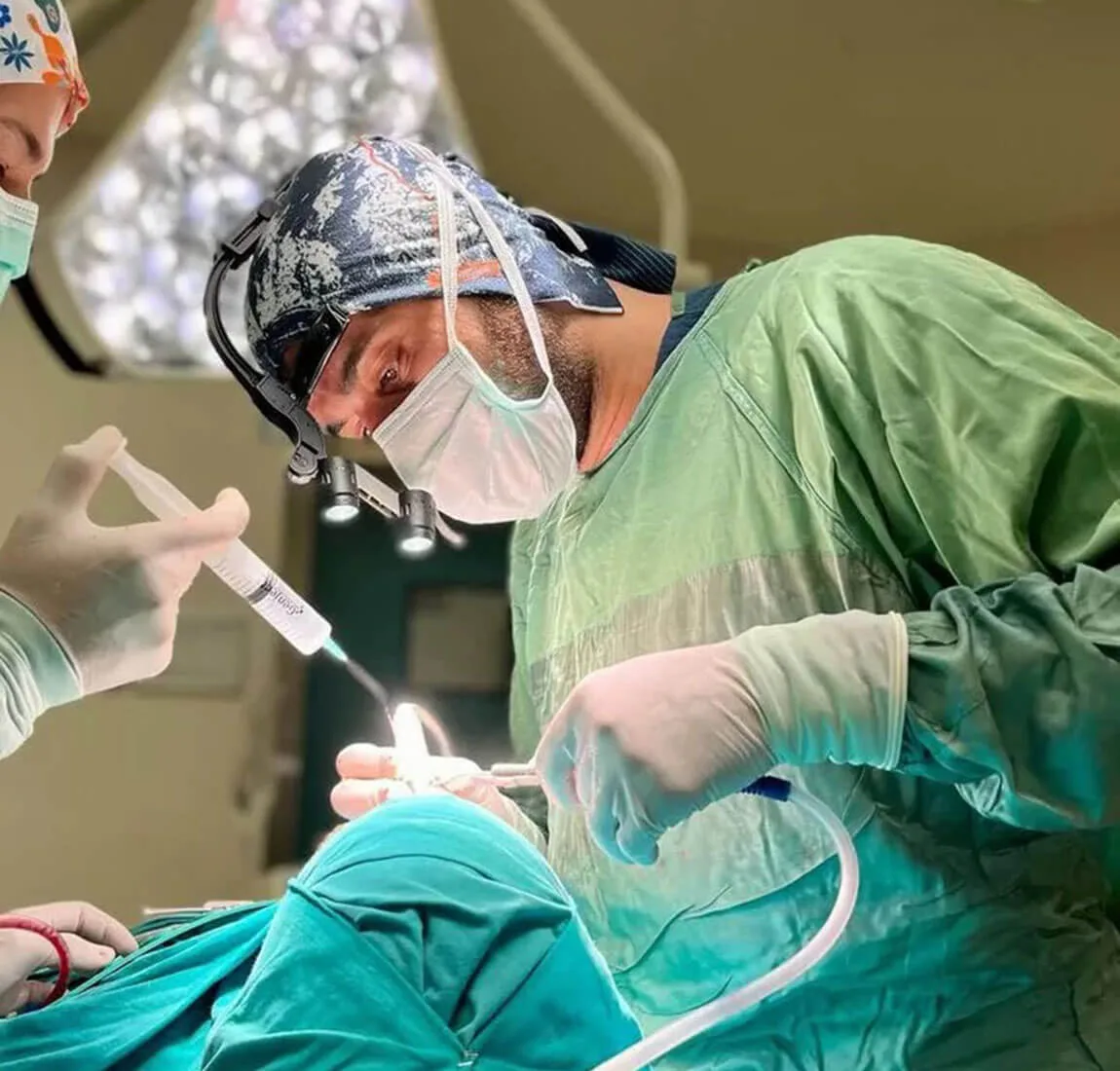
Rhinoplasty recovery happens in stages. The splint and the most visible bruising often belong to the early phase, but swelling and tissue settling continue after someone looks socially recovered. There is no single week in which every nose reaches its final form.
Key points
- The first week usually centres on protecting the nose, following wound-care instructions and attending the planned early review.
- Bruising and obvious swelling often improve before the nose has finished healing.
- Removing a cast or external splint does not mean the result is final.
- Nasal definition can continue to change for months; anatomy, skin and the extent of surgery affect the pace.
- Activity and travel dates should follow the treating team’s instructions, not a generic online timeline.
The first week
Early recovery commonly includes congestion, swelling and sometimes bruising around the eyes. A dressing or splint may remain in place for roughly a week, depending on the operation and the surgeon’s plan. The NHS rhinoplasty overview describes a seven-day splint in its general pathway, while ENT Health’s patient guidance stresses that instructions such as when to blow the nose or resume activity must come from the treating surgeon.
This is also the period in which a patient should know whom to contact about unexpected bleeding, worsening pain, fever or another concern. An online timeline cannot determine whether a symptom needs assessment.
Weeks two to four
Many people look more presentable as bruising and prominent facial swelling recede. That visible improvement is not the same as complete healing. The nose may still feel blocked or firm, and swelling can make one area look less defined than another.
Return to work, exercise and social activity depends on the work involved, the operation and the person’s recovery. The NHS notes that some people may need about two weeks away from work and that strenuous exercise is commonly delayed longer. Those ranges are orientation points, not personal clearance.
Months one to six
Swelling usually becomes less obvious but can remain meaningful, particularly in the nasal tip. A three-dimensional study of 40 primary open-rhinoplasty patients found that oedema decreased substantially over time, with most measured change occurring during the first months. Its estimates describe that cohort; they do not predict an individual patient’s nose. Read the PubMed record for the oedema study.
Skin thickness, surgical approach, the amount of structural work, previous surgery and individual healing can all influence how quickly definition appears. Photographs taken under consistent lighting can help a clinical team compare change more reliably than daily mirror checks.
Six to twelve months and beyond
Late refinement can continue even when everyday activities have returned to normal. NHS hospital guidance notes that swelling may take many months to settle before the final shape becomes apparent. Revision surgery or more extensive reconstruction may follow a different course from a first operation.
The useful distinction is between social recovery—when bruising and obvious swelling have improved—and biological recovery, which continues beneath the surface.
What can affect the timeline?
- primary or revision surgery
- skin and soft-tissue thickness
- the extent of bone, cartilage and tip work
- the individual swelling and healing response
- adherence to individualized aftercare
- trauma, smoking or other factors discussed with the medical team
For practical planning, see the rhinoplasty recovery page and the international patient journey. The related guide on how long to stay in Turkey separates general recovery information from travel coordination.
Sources and further reading
Rhinoplasty Team Turkey
Continue your research
Rhinoplasty Team Turkey