Perspectives & patient research
Primary vs Revision Rhinoplasty: Why Revision Surgery Is Different
Revision rhinoplasty works with anatomy already changed by surgery and healing, so scar tissue, support and available cartilage require individualized assessment.
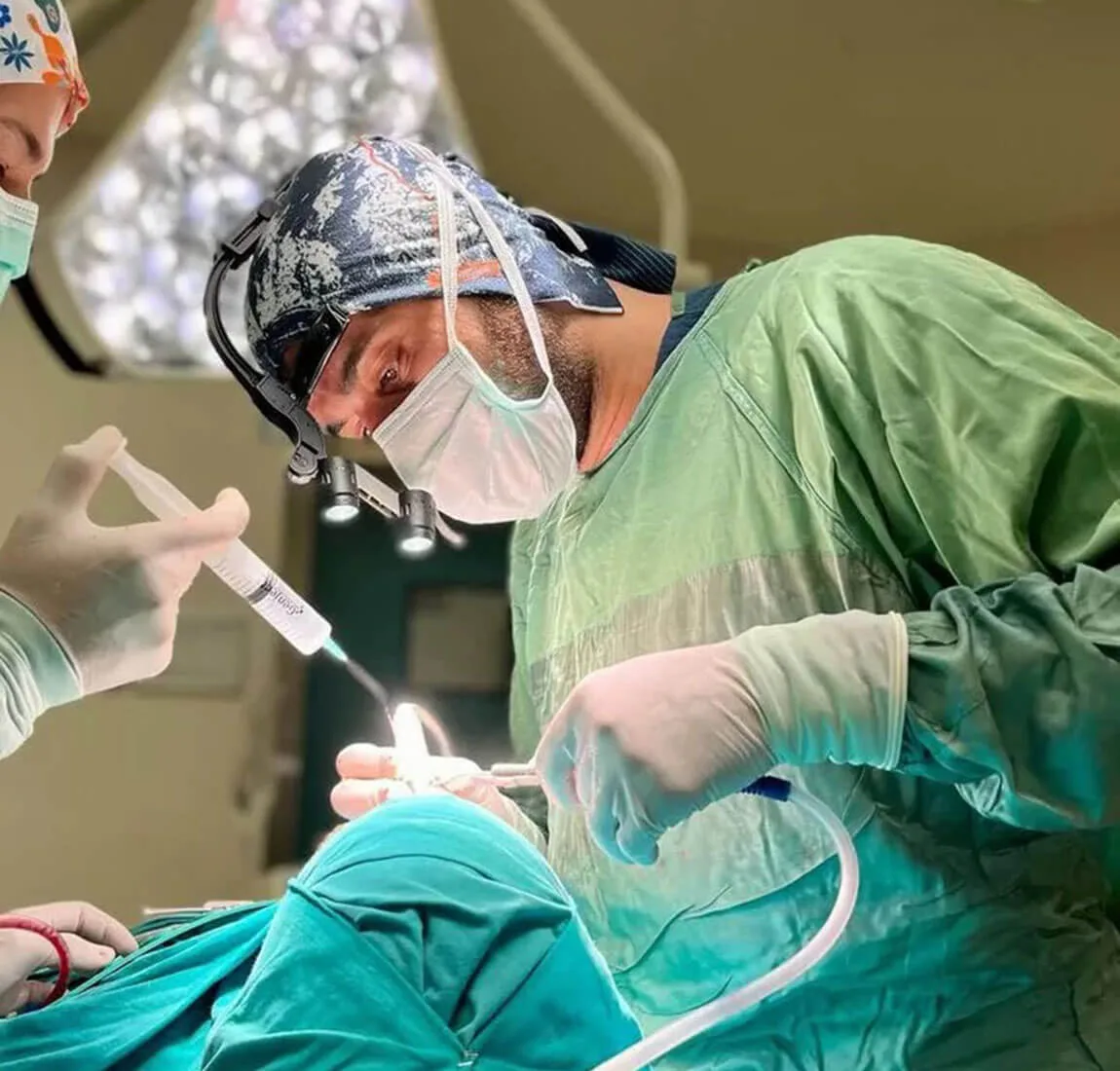
Primary rhinoplasty is a first operation on a previously unoperated nose. Revision rhinoplasty is performed after earlier nasal surgery and must work with anatomy that has already been changed by surgery and healing. Scar tissue, altered support and the cartilage still available can make assessment and planning different.
The central difference
In a primary operation, the surgeon evaluates native bone, cartilage, skin and airway structures. In revision surgery, some of those structures may have been reshaped, removed, weakened or reinforced. The operative report may not always describe every current feature because healing itself can also change the tissues.
That does not mean every revision is extensive. A concern may be limited or may involve several structural and functional areas. The word “revision” describes the surgical history, not the size of the next operation.
How scar tissue affects planning
Scar tissue can make tissue planes less distinct and may affect how the skin and soft-tissue envelope move over the framework. A published review of grafting in revision rhinoplasty discusses the reconstructive aim of restoring support and replacing lost volume where needed.
Because neither the amount nor behaviour of scar tissue can be judged from a website enquiry alone, photographs are preliminary. Examination and the history of healing remain important.
Why existing cartilage matters
Septal cartilage is commonly used for structural grafting, but a previous operation may have used or altered some of it. Depending on the anatomy and the reconstruction proposed, other cartilage sources may be discussed. A review indexed on PubMed describes grafting techniques in primary and revision rhinoplasty and the role of structural grafts.
The possible need for ear or rib cartilage is not a universal rule for revision surgery. It is a planning question that depends on the support required and the tissue available.
Why previous records can help
An operative report, preoperative photographs and details of implants or grafts may clarify what was changed previously. They do not replace a current examination, but they can reduce uncertainty. Useful information includes:
- the date and type of each previous nasal operation
- what concern led to the operation
- how breathing and appearance changed afterwards
- complications, prolonged healing or trauma
- operative notes and earlier photographs, if available
Expectations must remain individual
Revision planning begins with what is present now, not with recreating a past image or guaranteeing a requested shape. The Mayo Clinic rhinoplasty overview notes that rhinoplasty is individualized and that the nose can continue changing through healing.
Discuss which concerns may be changeable, which may not be fully correctable, how function is assessed and what recovery could look like for the proposed operation. No success rate can predict an individual outcome.
Read the revision rhinoplasty service page, prepare with questions to ask before revision surgery, and use the patient journey for travel and follow-up planning.
Sources and further reading
Rhinoplasty Team Turkey
Continue your research
Rhinoplasty Team Turkey