Perspectives & patient research
What Should You Ask Before Revision Rhinoplasty?
A calm, evidence-aware checklist covering previous surgery, current anatomy, cartilage support, realistic goals, recovery and follow-up.
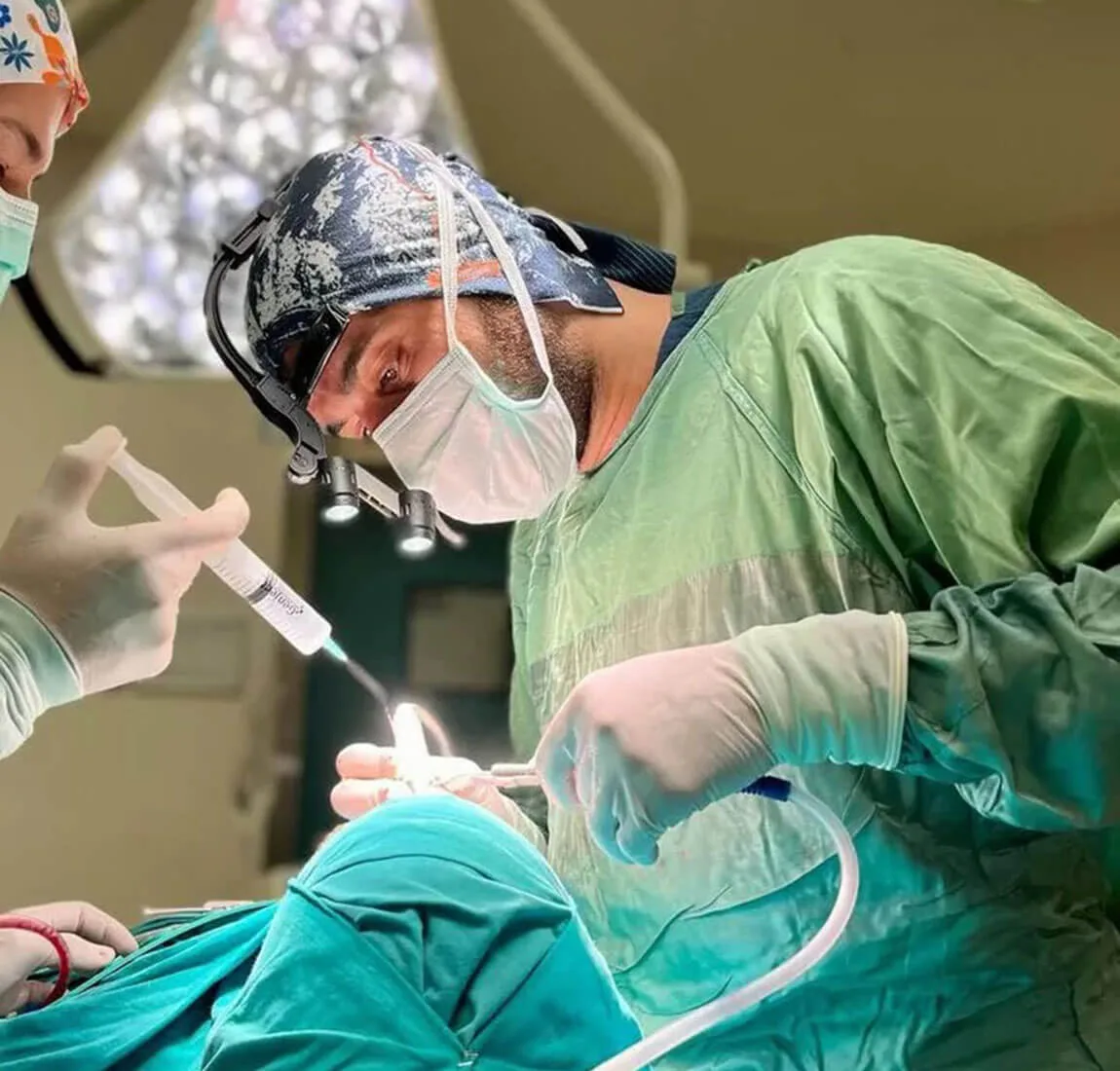
Before revision rhinoplasty, ask questions that clarify what changed after the first operation, what the current examination shows and what the proposed plan can realistically address. Good questions are not a test for the surgeon; they create a shared record of goals, uncertainty and follow-up.
Bring the history into the consultation
Start with a complete timeline. Include every nasal procedure, even one performed mainly for breathing. If available, bring operative reports, preoperative photographs and details of implants or grafts. A published assessment framework for revision rhinoplasty highlights systematic review of deformity, function and prior surgery.
Ask:
- What appears to have changed since the previous operation?
- Which concerns are visible, functional or both?
- Would previous records or photographs change the planning?
- Has enough time passed for swelling and scar maturation to be assessed reliably?
There is no single waiting period appropriate for every case. Timing depends on healing, symptoms and why another operation is being considered.
Ask about support and cartilage
Previous surgery may have altered the septum or existing support. Revision work may sometimes require cartilage grafting, but the source and amount cannot be assumed before examination. Reviews of grafting in revision rhinoplasty describe septal, ear and rib cartilage options and their different roles.
Useful questions include:
- Is existing septal cartilage available and suitable?
- Is additional structural support likely to be needed?
- Could ear or rib cartilage be discussed, and why?
- What alternatives or limitations apply to the proposed reconstruction?
The answer should be specific to anatomy rather than a blanket claim that one material is always required or superior.
Define realistic goals
Ask the clinician to separate goals that appear achievable from those that may be limited by tissue, scar, skin or airway considerations. The American Society of Plastic Surgeons consultation checklist recommends discussing technique, recovery, risks, complication management and reasonable results.
Consider asking:
- Which one or two changes are the priority?
- What may not be fully correctable?
- How will breathing be assessed alongside appearance?
- How could healing alter the planned contour?
- What would prompt a change to the plan during surgery?
Avoid choosing a plan based only on a simulation. Images can support communication but cannot promise a biological result.
Clarify recovery and follow-up
- How might recovery differ from the first operation?
- What early reviews must occur in person?
- Which symptoms need urgent contact or examination?
- What follow-up is available after returning home?
- If a physical assessment is needed later, how is that arranged?
International patients should connect these answers to flight and accommodation decisions. See the patient journey and the guide on how long to stay in Turkey.
For background on the anatomy and planning differences, read primary versus revision rhinoplasty and the revision rhinoplasty service page. A consultation remains the place for case-specific advice.
Sources and further reading
Rhinoplasty Team Turkey
Continue your research
Rhinoplasty Team Turkey