Perspectives & patient research
Eyelid Surgery Recovery for International Patients: Planning Your Stay
Plan around examination, aftercare and follow-up rather than a fixed recovery day. Looking more settled and being ready to travel are different decisions.
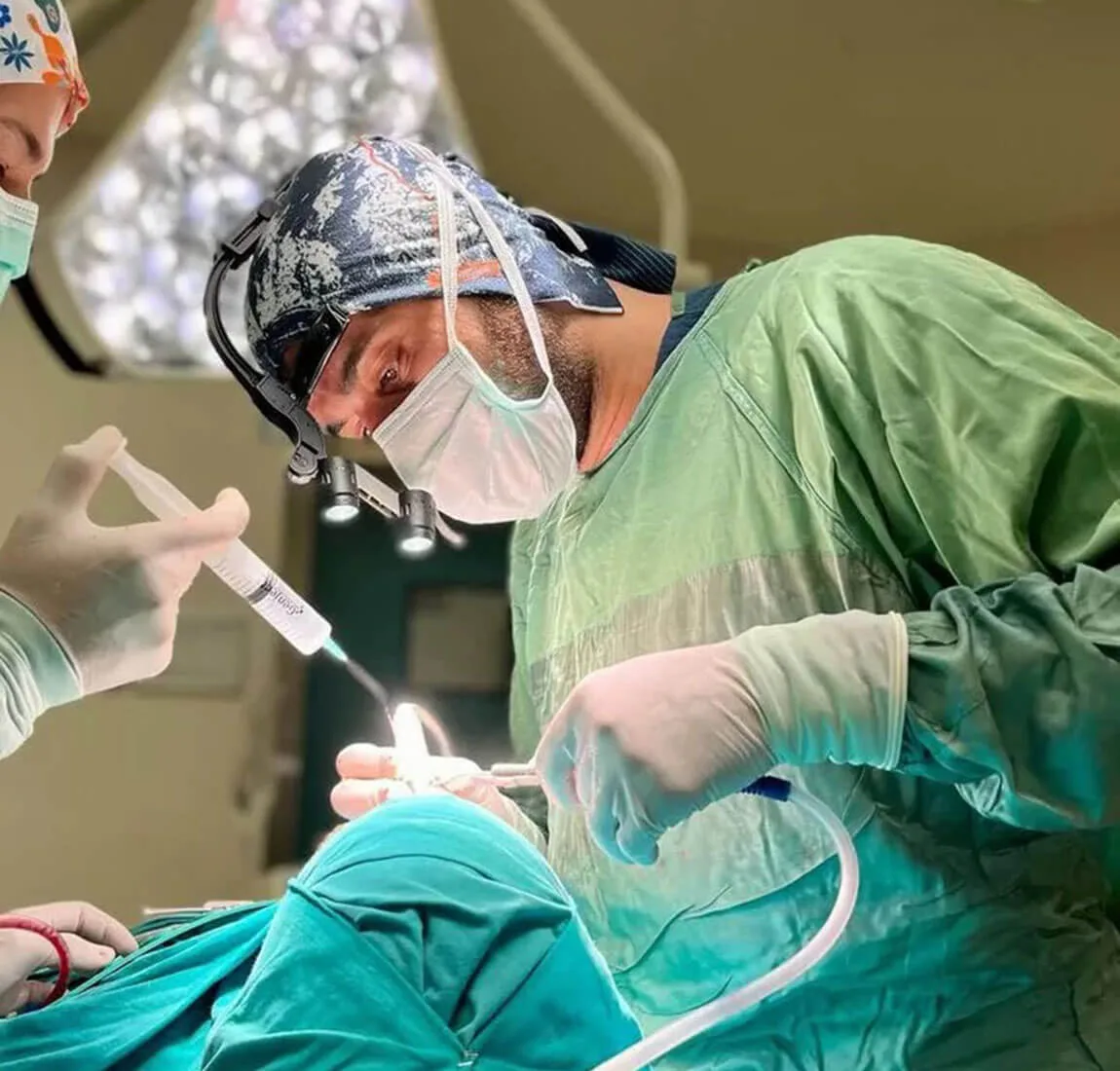
International patients should plan eyelid surgery around an individual assessment, early aftercare and agreed follow-up, not a fixed number of days advertised online. Early recovery is different from final healing. A less swollen appearance does not by itself establish fitness to work or fly; those decisions require advice for your own situation.
Separate three planning questions
- Early care: what instructions and review appointments apply after the proposed procedure?
- Practical independence: what support might be needed for transport, accommodation and everyday tasks?
- Later healing: how will ongoing changes and concerns be reviewed after returning home?
The answers depend on the clinical plan. Upper eyelid surgery and lower eyelid surgery address different areas; do not borrow another patient's timetable because the broad label “blepharoplasty” sounds the same.
Before booking your return journey
Ask when the clinician expects to review you, whether any in-person checks are needed before departure and how the plan changes if recovery takes longer than expected. Keep travel decisions separate from a package's hotel-night count. A booking confirmation is not medical clearance to fly.
Clarify who gives return-travel advice and how you receive it. Discuss flexibility in accommodation and tickets before paying for arrangements that would be difficult to change. The Patient Journey explains RTT's coordination process; it does not replace individual aftercare instructions.
What to clarify with RTT
Preliminary photo and medical-history review helps prepare consultation in Antalya. The in-person examination determines the individualized plan. Request a written quotation and ask which accommodation, transfer and follow-up arrangements are included, which are optional and what happens if the stay needs adjustment.
If travelling with a companion, clarify their accommodation and transport arrangements separately. A companion is practical support, not a substitute for professional care. Do not assume routine airport transfers include every additional appointment or an extended stay.
During recovery and after going home
Follow the clinician's written instructions rather than general online tips. Ask specifically about everyday activities relevant to you, such as screen work, contact lenses, exercise or driving, without treating this article as permission to resume them.
Keep the agreed clinical contact details accessible. Ask in advance how to raise a concern from abroad and when local assessment is required. Severe pain or unexpected symptoms need prompt clinical advice; do not wait for a routine remote review if something feels urgent.
For the anatomical comparison, read upper vs lower blepharoplasty. For your own logistics, contact the team with your intended travel window and questions. No article can promise a date for swelling to settle, work to resume or a flight to be safe.
Sources and further reading
General clinical information complements, but does not replace, instructions from your treating clinician.
Rhinoplasty Team Turkey
Continue your research
Rhinoplasty Team Turkey