Perspectives & patient research
Upper vs Lower Blepharoplasty: What Is the Difference?
Upper eyelid surgery concerns the lid above the eye; lower eyelid surgery concerns the under-eye area. The right discussion starts with anatomy, not a package name.
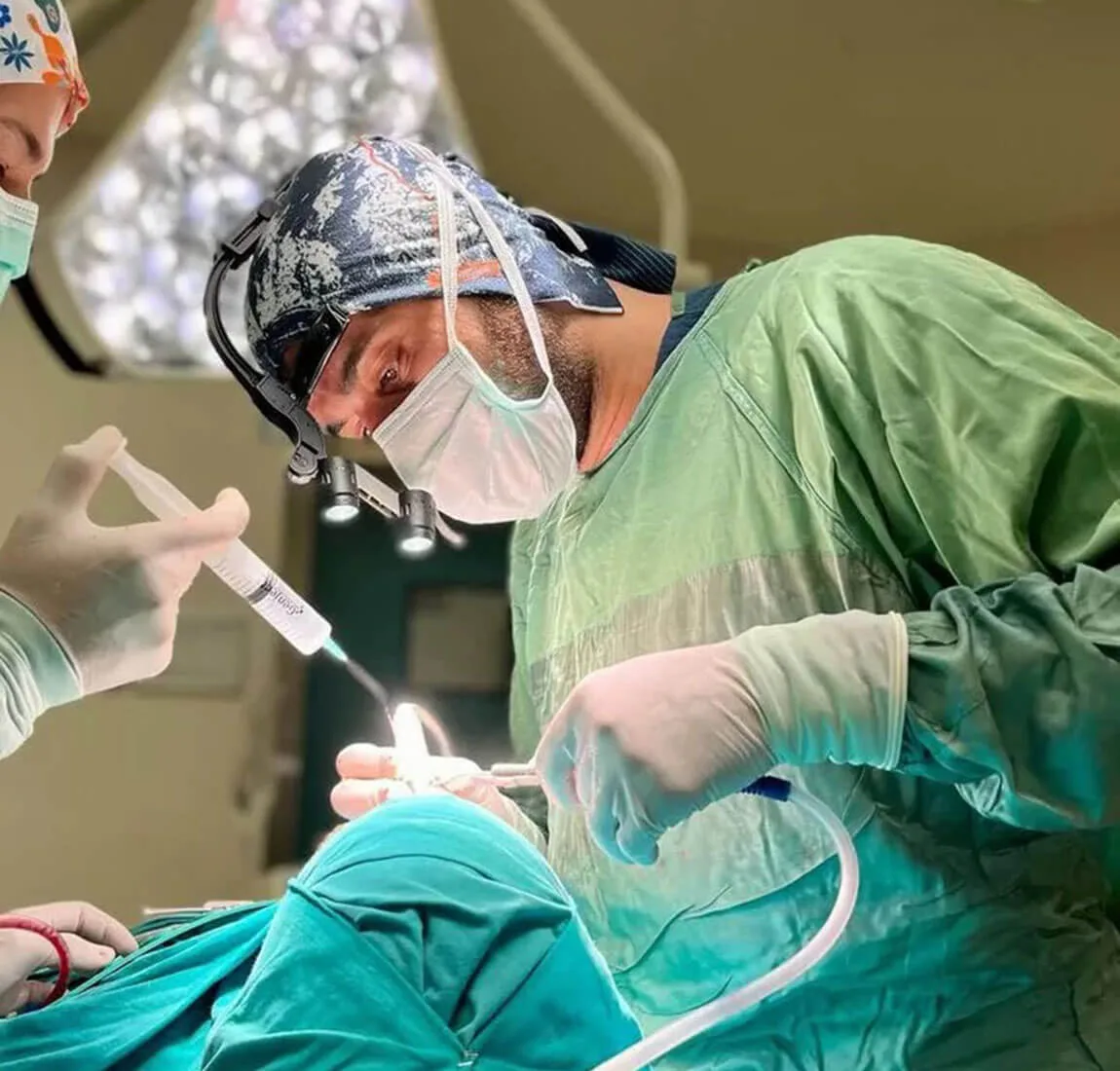
Upper blepharoplasty addresses concerns in the upper eyelid, while lower blepharoplasty addresses the lower lid and under-eye area. They are not interchangeable: a heavy upper fold and an under-eye bag involve different structures. Having concerns in both areas does not automatically mean that both should be operated on.
Which area is causing the concern?
Upper eyelid surgery commonly enters the discussion when extra upper-lid skin makes the fold look heavy. Brow position can also influence that appearance, so a photograph alone cannot establish the cause.
Lower eyelid surgery concerns the area below the eye, including bags and the relationship between skin, contour and lid support. An under-eye concern is not automatically a surgical indication. Ask what the proposed plan would address and what it would leave unchanged.
A comparison to take to consultation
- Upper lid: identify whether the concern is the fold, the position of the brow, or another issue requiring examination.
- Lower lid: ask about the cause of the contour concern and the importance of maintaining eyelid support.
- Both areas: describe each concern separately. Discussing both during one consultation is different from agreeing to combined surgery.
- Neither label is a diagnosis: suitability, alternatives and the limits of a proposed change need an in-person assessment.
Avoid choosing from another person's result photograph alone. The same description of “tired eyes” may reflect different anatomy and different expectations.
How RTT planning fits into the decision
RTT's preliminary assessment starts with your concerns, photographs and medical history. This helps organize the consultation; it does not replace an examination. Mention previous eye or eyelid surgery and existing symptoms rather than sending only an aesthetic reference.
Before confirming a plan, ask which area is being considered, who will explain the clinical options and what the written quotation includes. Accommodation, transfers and follow-up arrangements should be clarified separately from the name of the procedure. The Facial Aesthetics overview places the eyelid pages within the wider service family.
Recovery is not a comparison of fixed deadlines
Early swelling or bruising is not the final appearance. Recovery may differ with the area treated and the individual plan, so one person's return to work is not a timetable for someone else. Use the international eyelid-recovery guide to prepare practical questions before booking travel.
An assessment should leave you able to explain the intended change, its limitations and your follow-up arrangements in your own words. If these remain unclear, request clarification before making a commitment.
Sources and further reading
These general patient resources explain eyelid surgery and recovery; they do not assess your suitability or endorse RTT.
Rhinoplasty Team Turkey
Continue your research
Rhinoplasty Team Turkey