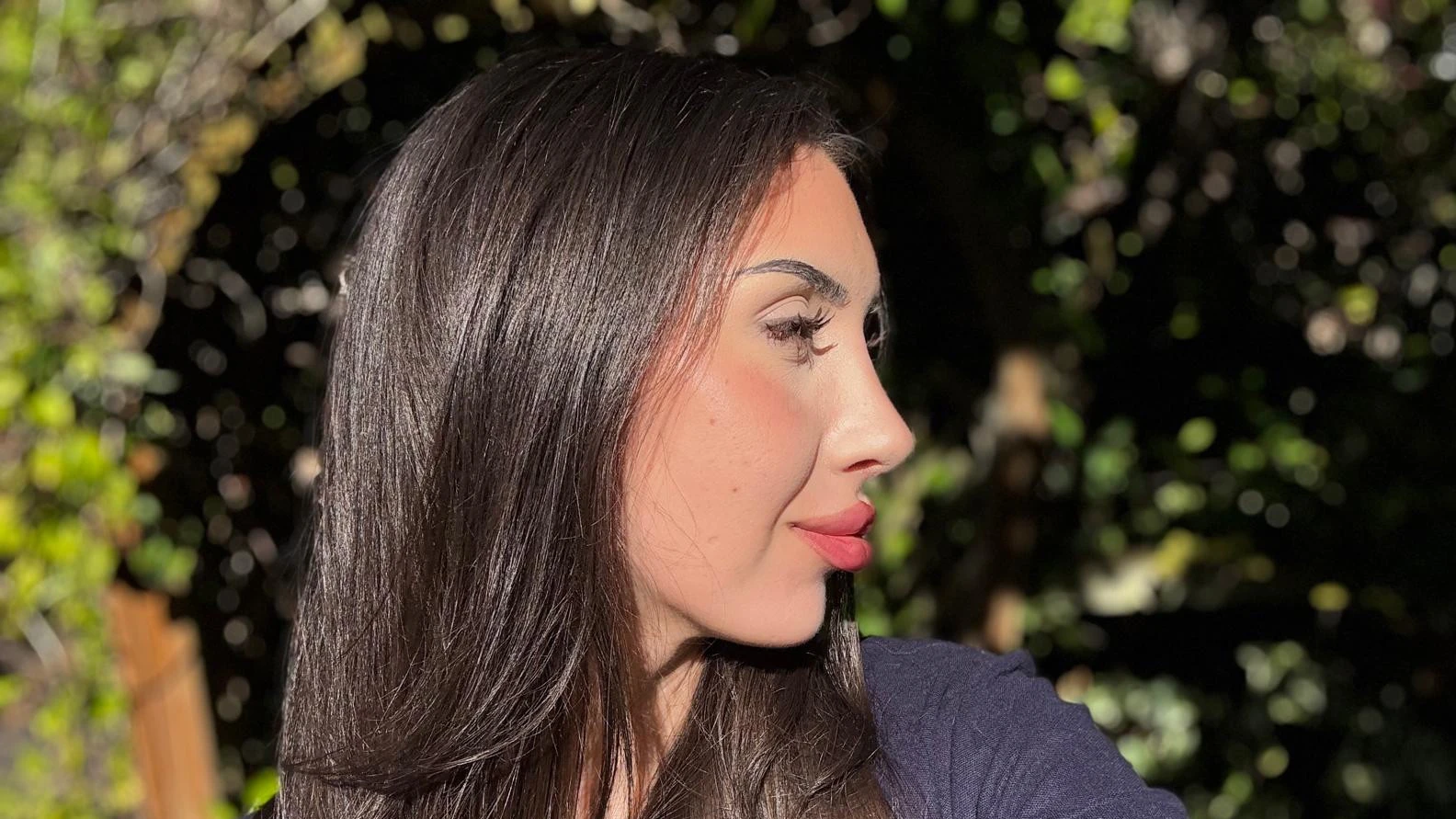
A side-profile photograph can explain one rhinoplasty concern while leaving your other priorities unclear. When researching Mert Meral, prepare to discuss your nose from several views and describe the features you want to keep. This helps turn a favourite image into a more complete conversation about your own face.
Independent Rhinoplasty Team Turkey article. This doctor is not affiliated with or represented by Rhinoplasty Team Turkey.
Why multiple views are relevant here
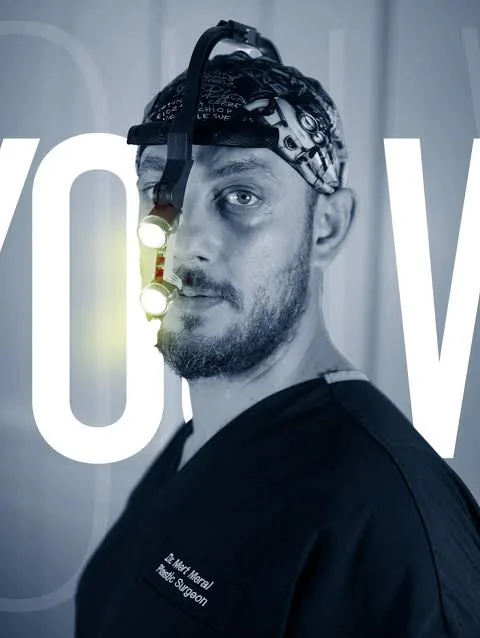
Meral’s official rhinoplasty page describes a consultation using photographs from five angles and discussion of features to retain. That is a published practice description, not a promise about the appointment you will receive. The Turkish plastic-surgery society records specialist training for Hasbi Mert Meral at Karadeniz Technical University in 2021. His practice uses the shorter name Mert Meral; he is a plastic, reconstructive and aesthetic surgeon, not an ENT specialist. See the independent profile.
Give each view a question
Start with the view that prompted your research, then ask what the proposed change would mean from other angles. If you dislike a bump in profile, ask how the plan relates to the front view. If the tip concerns you, explain whether the concern is its position, apparent width or how it looks when you smile. You are identifying the question, not diagnosing the structure beneath it.
Use the photography instructions provided by the treating team. Avoid filters or digitally narrowing your own photographs before an assessment. A reference image can show a preference, but your unedited images and examination serve a different purpose.
Say what you want retained
It is easy to make a list of things you dislike and forget the features that make your face familiar. Write one or two positive preferences as well. For example: “I want to discuss the bridge, but I like the character of my front view.” Ask how the surgeon would reconcile the two, and whether any proposed change creates a trade-off you should consider.
Do not assume every feature can be controlled independently. Ask for the explanation in terms you understand, and record any goal the surgeon considers unrealistic. The general rhinoplasty overview can help with the vocabulary.
Let the approach follow the discussion
Meral’s published page says open or closed access is selected according to the individual case. Ask what part of the agreed plan makes the proposed access appropriate, rather than treating “closed” or “open” as the outcome you are buying. Our approach comparison explains the distinction.
If an illustration or simulation is used, ask which views it covers and what it cannot show. A profile-only simulation should not be mistaken for agreement about every angle or a guarantee of the healed result.
Take away a balanced summary
Your consultation note should include the change you want, the feature to retain and the limit discussed. Revisit all three before making a decision. This article complements the existing qualifications article by focusing on how to communicate visual goals, rather than repeating credentials or assessing surgical quality.
Independent Rhinoplasty Team Turkey editorial information: Meral is not affiliated with or represented by Rhinoplasty Team Turkey. He did not author or clinically review this article. Sources checked on 11 October 2026: his official rhinoplasty page; Turkish plastic-surgery society specialist announcement. The suggested questions are editorial examples, not patient testimony.
Rhinoplasty Team Turkey