Turkey attracts attention from people researching rhinoplasty because a destination search can bring together questions about cost, access to a surgeon, language and travel arrangements. Those possible attractions do not establish a country-wide standard of care or prove that a particular operation will be suitable. For someone considering Antalya, the useful next step is to turn a broad search into a specific, verifiable treatment and follow-up plan.
The word “popular” can conceal several different things: frequent appearances on social media, a large healthcare-travel sector, or the number of a particular operation performed. They require different evidence. A busy online feed is not a surgical register, and a country's healthcare visitor total is not its rhinoplasty total.
Why Turkey enters the research conversation
The CDC’s medical-tourism guidance identifies reasons for seeking care abroad such as cost, access, recommendations and language or cultural preferences. These are general motivations for medical travel. They should not be presented as a study proving why every patient chooses Turkey.
For an individual, several practical considerations may converge. They may already know the destination, prefer a particular consultation language or want to understand a provider's arrangements for international visitors. Each is a reasonable question to investigate. None answers whether the proposed surgeon, facility and operation are right for that person.
Start by writing down what actually attracts you. If it is price, compare full written quotes. If it is a surgeon's work, investigate the named surgeon and how the plan relates to your anatomy. If it is convenient travel, check whether that convenience survives the need for assessment and follow-up.
What the official numbers show
USHAŞ’s healthcare-tourism series, citing TurkStat, reports 1,398,580 people visiting Türkiye for healthcare services in 2025, compared with 1,506,442 in 2024. These are national healthcare-travel figures across services, not counts of rhinoplasty operations.
They do not identify Antalya's share, the number of nose operations, a clinic's workload or the quality of outcomes. The 2025 visitor total is also lower than the 2024 figure, so these two numbers cannot support a claim that visitor numbers rose. They describe the scale of a broad sector, not a procedure-specific ranking.
A useful test for any statistic is to ask: Who or what was counted, where, during which period, and by whom? “Medical visitors,” “cosmetic procedures” and “rhinoplasty patients” should never be used as interchangeable labels. No complete 2026 annual total is used here.
Compare the cost of the whole plan
A headline price can omit the very details that make two offers different. Ask for a written quotation that identifies the proposed procedure, the place of surgery, anaesthesia, consultations and checks. Then distinguish the medical services from accommodation, transfers and other travel arrangements.
Check what happens if assessment changes the plan, more nights are needed or a later concern requires examination. Which items are included, which are optional, and who pays for additional care? A short answer such as “everything included” is less useful than a clear list of responsibilities and exclusions.
The Rhinoplasty Team Turkey cost guide provides the site's stated pricing context. It is not a national average or another surgeon's quotation. Do not assume a saving until the services and contingencies in the offers are comparable. An inexpensive journey can still leave unresolved questions about care.
What Antalya changes about the journey
Antalya's airport publishes international departure information. Check actual routes and dates rather than assuming that a flight operating in one season will be available in another. Connections, assistance with luggage and flexibility if plans change are practical matters to discuss.
Also confirm the distance between accommodation, the operating facility and review appointments. Ask who will communicate clinical instructions in a language you understand and whether that person is providing translation, coordination or medical advice. Those roles should be clear.
A coastal setting is not evidence of better healing. Plan around the care requirements instead of adding surgery to a holiday itinerary. The Antalya patient journey and the pre-travel guide can help organise the questions, but the treating team must confirm individual arrangements.
Verify the surgeon and the place of surgery
Before paying, ask for the operating surgeon's name, professional specialty, relevant experience and the exact facility where surgery would take place. Match the information across the consultation, consent paperwork and written proposal. A familiar brand name or an attractive website is not a substitute for identifying the people and organisation responsible for care.
Turkey's Ministry of Health tourism department publishes official authorisation information. Use the current lists to check the named facility and, where relevant, the intermediary. This article does not certify an unnamed provider or suggest that appearing on a list guarantees an individual result.
Ask what the surgeon would advise against in your case. A meaningful discussion includes limitations and alternatives, not just a preferred technique. Geography does not settle whether open or closed access, grafting or another part of a plan is appropriate; those questions need individual assessment.
Read photographs and reviews with context
Before-and-after photographs can help you understand what a provider chooses to show. Ask about the time since surgery, comparable angles and lighting, and whether the example resembles the kind of concern you want to discuss. A selected image cannot show every patient's course or establish a complication rate.
Reviews can suggest questions about communication or follow-up, but they do not give the complete number of treated patients and their outcomes. Keep a useful observation separate from an unsupported conclusion: “this reviewer described a clear handover” is narrower than “every patient receives reliable aftercare”.
The surgeon research guide offers a separate framework for investigating providers.
Arrange continuity before returning home
The CDC advises medical travellers to plan for complications and continuity of care. Before travel, request a named contact route, a plan for early reviews, access to your records and an explanation of how concerns will be assessed after you return home. Clarify what remote communication can do and when a local examination would be needed.
Ask who arranges that examination and how its cost is handled. A messaging number alone does not answer those questions. If a return trip is proposed for later care, clarify the clinical reason and the practical and financial arrangements without assuming that flights or accommodation are included.
A good destination choice becomes useful when these details are concrete. Keep a one-page summary with the surgeon, facility, planned procedure, review arrangements, emergency contact and outstanding questions. Blank spaces in that summary identify what still needs checking.
Frequently asked questions
Does popularity mean surgery is safer?
No. Visibility and visitor numbers do not establish the safety of a particular operation. Assess the individual care plan, provider and follow-up arrangements.
Are all rhinoplasty packages comparable?
No. Compare written inclusions, exclusions and responsibility for additional care. The same package label can describe different services.
Does authorisation guarantee a result?
No. Verifying an authorisation is a separate step from assessing the proposed operation and its uncertainties. Neither a listing nor a credential promises a particular outcome.
Can I choose by city alone?
A city helps define travel logistics. It does not identify the right surgeon, technique or facility for your needs.
Does an online consultation replace examination?
It can prepare the discussion and identify information to bring. Ask what remains provisional until an in-person assessment and how a changed recommendation would affect arrangements.
Is rhinoplasty always cheaper in Turkey?
No universal saving is established here. Obtain comparable written quotations that include the relevant medical, travel and follow-up costs.
Sources and further reading
Checked 13 October 2026: CDC — Medical Tourism, Yellow Book 2026, USHAŞ — national healthcare-tourism data, Antalya Airport — international departures, and Turkish Ministry of Health — health tourism department. None supplies a Rhinoplasty Team Turkey outcome rate or a count of Antalya rhinoplasties.
Antalya beyond the clinic: a destination overview
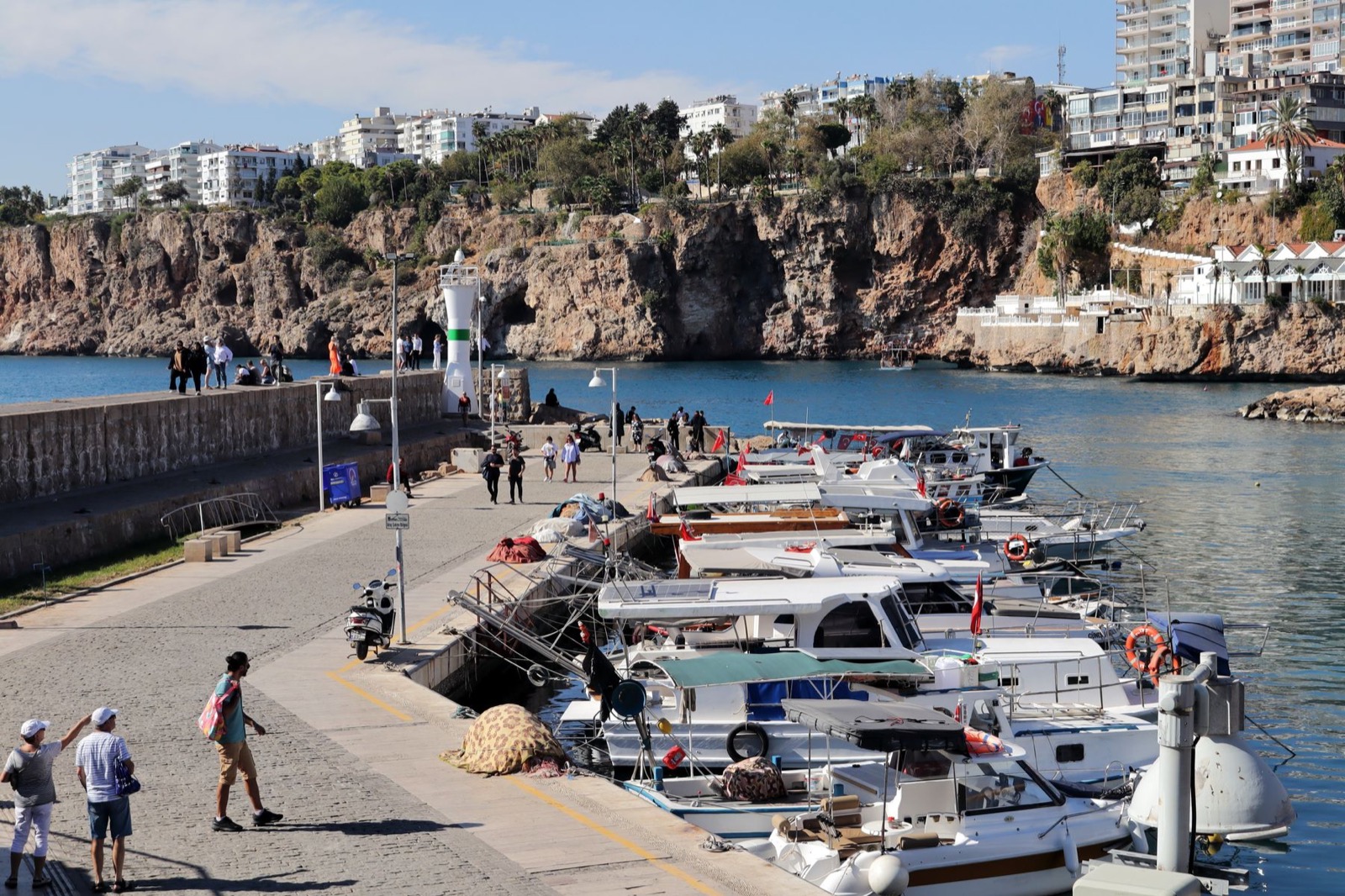
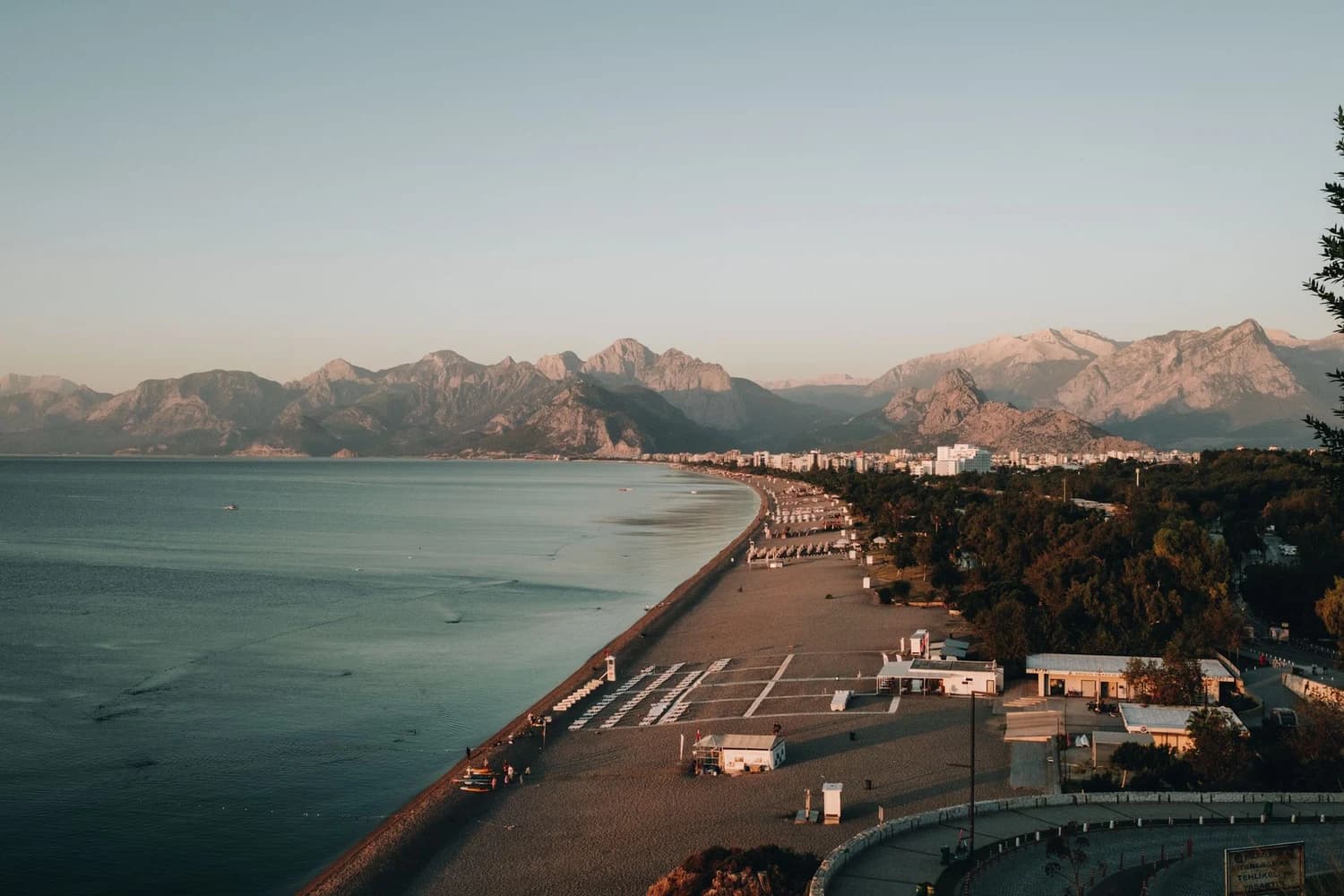
This independent travel guide by Gez Dolaş Keşfet introduces Antalya’s historical sites, coastline and natural surroundings. It offers a visual introduction to the destination discussed in this article, rather than an explanation of rhinoplasty.
Rhinoplasty Team Turkey includes this video for destination context. It is not our production, a patient story or a recovery itinerary. Sightseeing plans should not determine your treatment or travel dates; follow your treating team’s individual advice about rest, activity and follow-up.
Rhinoplasty Team Turkey
Continue your research
Rhinoplasty Team Turkey