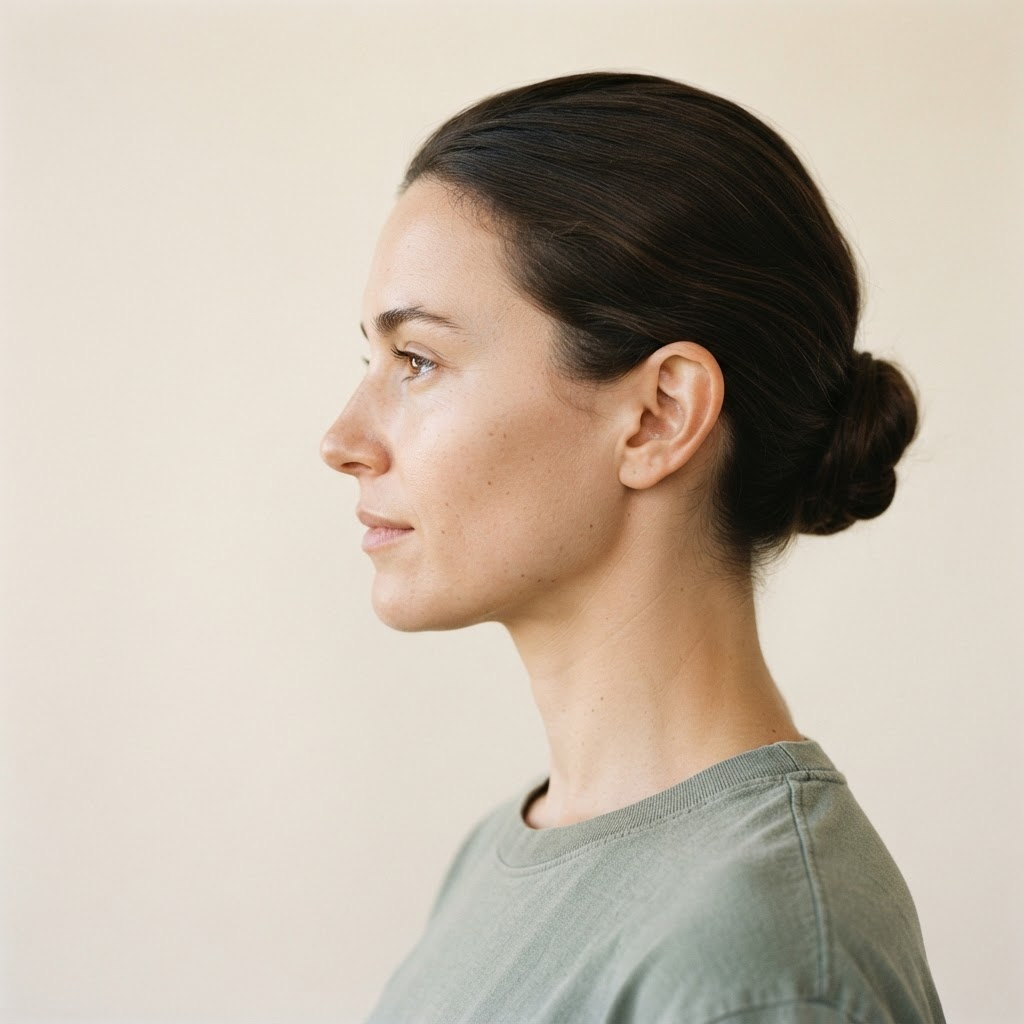
You may have saved photographs, read reviews and spent evenings comparing different noses. When you finally speak to a surgeon, the question becomes personal: what would an appropriate plan look like for you?
If you are considering a consultation with Dr Ümit Küçüktepe, prepare a short account of your goals and history before choosing a technique or a travel date. A useful appointment should help you understand your options, their limits and whether surgery fits your priorities.
His official biography identifies him as an Antalya ENT and Head & Neck Surgery specialist, with specialist training at the University of Health Sciences Antalya Training and Research Hospital. The Turkish ENT society separately records his specialist examination there. His stated practice includes cosmetic and functional nasal surgery. That background gives you a starting point for questions; your own assessment determines the plan.
1. Describe the change you want in your own words
Write two or three sentences about what bothers you. You might want a smoother bridge, a different tip position or a nose that feels more balanced in front-facing photographs. Also write down what you like and hope to preserve.
An example could be: “The bridge looks prominent to me in profile. I would like to discuss a softer line, while keeping a nose that still feels like mine.”
This is easier to discuss than a collection of labels such as “tiny,” “perfect” or “celebrity nose.” If you bring reference images, explain the particular feature you are pointing to. Ask which parts of that idea are realistic for your face and which would involve a compromise. A reference photograph cannot establish what your own tissues will allow.
2. Bring a clear history, including anything you have already tried
Make a simple list of previous nasal surgery, injuries, fillers and breathing concerns. If you have had an operation, bring available reports and the date. Tell the clinician about medical conditions, allergies, medicines, supplements, smoking and other relevant health information.
The American Society of Plastic Surgeons includes this history in its rhinoplasty consultation guidance. The purpose is to support an informed assessment. Do not stop prescribed medicines or start a pre-operative routine based on a blog or another patient's instructions. Ask the treating team for advice specific to you.
If breathing is a concern, describe it plainly: one side or both, constant or intermittent, and what you notice during sleep or activity. Include previous treatments and whether they helped. You do not need to arrive with a diagnosis.
3. Ask how the examination changes the proposal
Dr Küçüktepe's published approach describes planning around anatomy, facial proportions, skin characteristics, function and expectations. You can make that discussion concrete by asking:
- Which of my goals appear achievable after examination?
- Which changes would you advise against, and why?
- What are the main limitations in my case?
- What alternatives should I consider, including waiting or having no surgery?
Ask for an explanation you can repeat in ordinary words. A technique name alone leaves many questions unanswered. If open or closed access, piezo instruments or grafts are discussed, ask what work is proposed and why it suits the findings. The detailed technique guides can help with vocabulary, while the consultation connects that vocabulary to your nose.
4. Make room for risk and uncertainty
Possible rhinoplasty risks include breathing difficulty, infection, altered sensation, scarring, dissatisfaction with appearance and further surgery. Anaesthesia carries additional risks. Ask which concerns matter most for your health and the proposed operation, how complications would be assessed and what help would be available.
A planning image, if offered, can help you discuss a direction. Ask how to interpret it and what it cannot show. Surgical results cannot be guaranteed, and healing adds uncertainty to the final appearance.
It is reasonable to leave an appointment with further questions. Give yourself time to consider the explanation, seek a second opinion if useful and make a decision without pressure.
5. Leave with a short written summary
Before arranging treatment, clarify the proposed procedure, the clinician responsible, the operating facility and the next assessment. Ask for the costs and included services in writing, together with follow-up responsibilities and the arrangements if the plan changes.
Keep the clinical questions and the practical questions on the same page. Who confirms suitability? Who explains consent? Who arranges travel? Who handles a medical concern? Clear roles make it easier to know where each question belongs.
Can an Ümit Küçüktepe WhatsApp group help me prepare?
Patient conversations can suggest questions you had not considered. Before joining any group advertised under his name, verify who administers it and whether it is independent or clinic-managed. Save useful questions for your consultation, and keep private medical records out of the group.
Can photographs establish whether I am suitable?
Photographs may support a preliminary discussion, but they do not replace an appropriate in-person clinical examination. Ask what still needs to be assessed before any plan becomes final.
Should I decide on open, closed or piezo before the appointment?
You can read about these terms beforehand. Let the consultation explain the proposed structural work and the reasons for the approach before treating a label as a requirement.
Continue your reading
Read Dr Ümit Küçüktepe's professional profile, open versus closed rhinoplasty and the international patient journey.
Sources consulted
- Dr Küçüktepe's official biography
- Turkish ENT society specialist announcement
- American Society of Plastic Surgeons, Rhinoplasty Consultation and Risks and Safety
- Royal College of Surgeons of England, Your Consultation
- NHS, Before You Have a Cosmetic Procedure
This article provides general patient information. Individual suitability and treatment decisions require assessment by the treating clinician. No result is guaranteed.
Rhinoplasty Team Turkey
Continue your research
Rhinoplasty Team Turkey