Rhinoplasty is a sequence of decisions and reviews, not only an operation. Before surgery, the task is to establish whether a proposed change is appropriate and what its limits are. Afterwards, the priorities become safe discharge, early assessment and longer-term review of appearance and breathing. This guide explains those transitions; your treating clinicians provide the individual instructions.
Before agreeing to surgery: define the problem
Describe what you want to change in your own words. Separate appearance concerns from obstruction, previous injury or changes after another operation. A useful consultation records both the desired change and what you want to preserve. Bring previous operative reports when available, rather than relying on the name of a technique you remember.
The Mayo Clinic describes history, examination, photographs and discussion of expectations as parts of preparation. Photos can support a discussion but cannot replace examination of the nose. Ask which conclusions remain provisional after an online assessment. A simulation is a communication aid, not a promise of a particular result.
Consultation, choices and consent
Ask the operating surgeon to explain the proposed changes, alternatives including no surgery, and the risks relevant to your case. Clarify whether breathing work is included and whether cartilage support or another donor site is being considered. Technique names alone do not tell you the full scope. The ASPS consultation guidance supports discussing goals, medical conditions, medicines, previous surgery and possible outcomes.
Do not leave uncertainties inside a generic package description. Record who will operate, where care will take place and who will answer clinical questions. Rhinoplasty Team Turkey can assist with practical coordination; the responsible surgeon and healthcare facility must be identified separately. Take time to understand the plan before consenting.
The final preparation review
Give the team a complete list of prescribed medicines, over-the-counter products and supplements, allergies, previous anaesthetic problems and relevant health changes. Request an individual written medication and fasting plan. This article does not tell you to stop or restart a medicine. If instructions from different professionals conflict, ask them to reconcile the plan before the operation.
Confirm the admission location, companion arrangements and how to report illness or a new symptom before attending. The separate travel preparation guide covers travel arrangements; the clinical readiness decision belongs to the treating team.
The preoperative team may request tests based on your health and the planned anaesthetic; a universal test panel is not assumed. Discuss smoking and vaping honestly. ASPS preparation guidance also emphasizes arranging an escort and support for the 1st night. Confirm those arrangements with the team rather than inferring them from a transport booking.
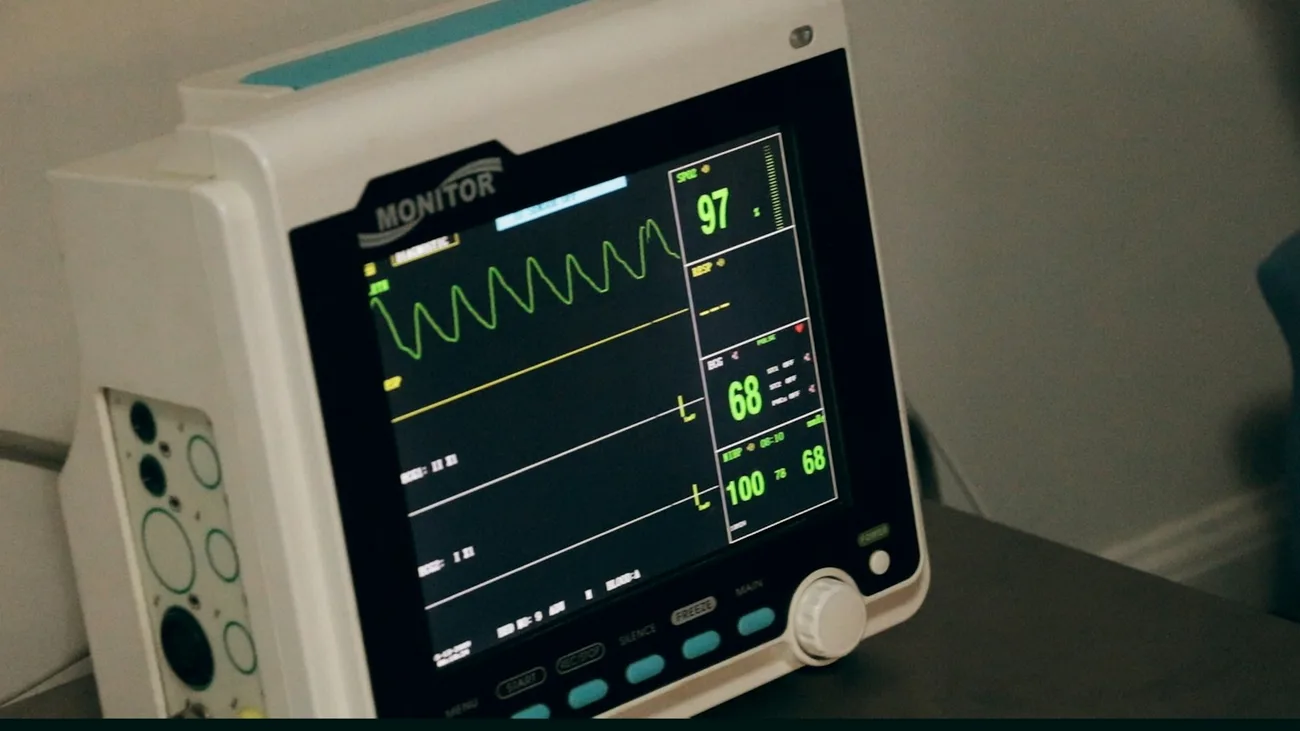
On the day: admission, operation and observation
Before anaesthesia, use the final discussion to check that the agreed procedure and unresolved questions are understood. Ask what would lead to postponement or a change in plan. An operation time is not the same as the time spent in the facility: admission, anaesthesia preparation, recovery observation and discharge assessment are separate stages.
After surgery, ask the team to explain what was actually done and how that affects your care. Do not infer the operation from the external dressing. Discharge is a clinical decision, not simply the end of an appointment slot. Confirm the arrangements for help and transport before leaving.
Leaving the facility with a usable care plan
Ask for instructions in a language you understand and check that you can explain them back. Keep the following information together:
- The operation summary and the responsible clinician's contact details.
- Your own prescription and instructions for dressings or devices, if used.
- The date, location and purpose of the next review.
- Which symptoms require an urgent call and where to obtain an examination out of hours.
- What to do if you cannot reach the treating team.
Taping, massage, splints and nasal retainers are not interchangeable routines. Use them only according to your own team's instructions; an online account of another person's care does not establish your protocol.
Packing, internal splints, an external nasal splint and sutures have different purposes. Not everyone receives every item. Ask which you have, who removes each one and where the appointment takes place; do not remove or adjust them from an online timetable.
Early reviews and the handover home
At a review, report changes in pain, bleeding, breathing and general wellbeing instead of discussing appearance alone. Ask which devices need professional removal and which decisions remain pending. A dressing coming off does not establish that work, sport or air travel is safe.
Before departure, agree how photographs or remote conversations will be used and when a physical examination is required. The treatment and stay guide explains the separate scheduling questions. Keep copies of records accessible to a local clinician if an assessment becomes necessary after returning home.
Longer-term review and urgent problems
Appearance and breathing should both be discussed during follow-up. The recovery stages guide explains why an early photograph cannot settle the final outcome. Ask who reviews a persistent concern and how that appointment is arranged; do not assume that a later procedure is automatically needed or included.
For severe pain or unexpected symptoms, contact the treating facility promptly, as advised by the NHS rhinoplasty guidance. Heavy or persistent bleeding needs urgent assessment. Severe breathing difficulty, chest pain or collapse requires emergency help immediately; do not wait for a coordinator or a photo reply. The NHS pulmonary embolism guidance identifies these as emergency warning signs. Use local emergency services wherever you are.
Questions to settle before you leave
Is an online consultation the final surgical plan?
Ask which parts remain subject to examination, consent and anaesthetic assessment. A booking confirmation should not be treated as medical clearance.
Who decides whether I can travel?
The responsible clinician makes the individual travel decision. A coordinator can help implement revised dates but cannot replace that assessment.
Does the first review end treatment?
No. Clarify both the early review schedule and the later route for concerns about appearance or function. Ask what is included, what needs a separate appointment and who can examine you at home.
Sources and further reading
- Mayo Clinic: rhinoplasty preparation and care
- ASPS: rhinoplasty consultation
- NHS: nose reshaping
- NHS: pulmonary embolism warning signs
- ASPS: Rhinoplasty preparation
Rhinoplasty Team Turkey
Continue your research
Rhinoplasty Team Turkey