Reference photographs can help explain what you like before a first rhinoplasty, but they cannot establish what your own nose can safely achieve. When researching Dr Ümit Küçüktepe, use them to start a conversation about your priorities, rather than to request a copy of another person’s result.
Why this discussion belongs in your planning
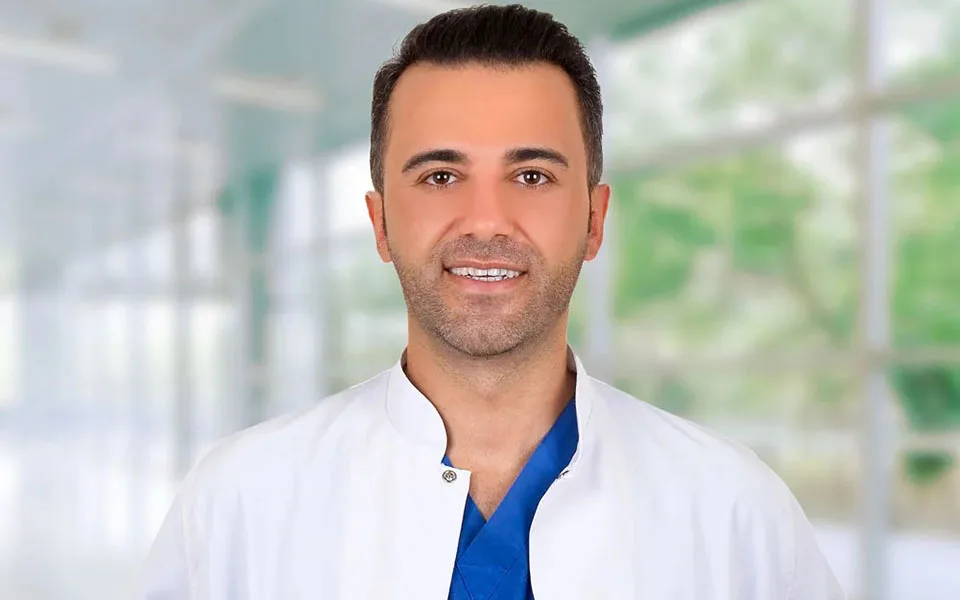
Küçüktepe’s official biography identifies him as an Antalya ENT and head-and-neck surgery specialist, with specialist training at Antalya Training and Research Hospital. His published patient information discusses skin, tip definition and structural support. These are practice-reported areas of attention, not an independent assessment of results. The Doctor Guide offers further professional research context.
A useful opening sentence is: “I would like the bump to be less noticeable, but I want to recognise my face from the front.” This gives the surgeon two priorities to discuss. “Make it natural” alone leaves considerable room for misunderstanding.
Give each reference photograph one job
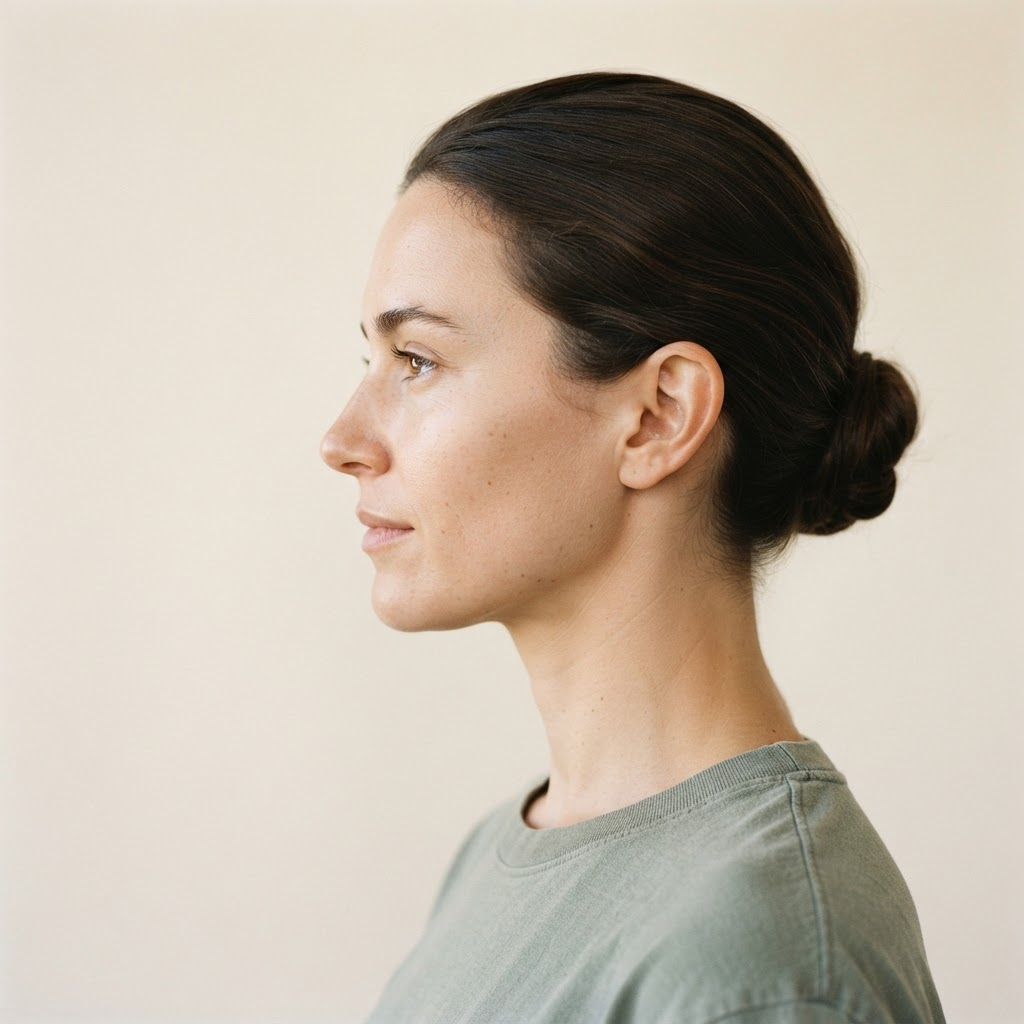
Choose a small selection and annotate it in ordinary language. One image might show a bridge line you like; another might help explain a tip position you do not want. Say which feature matters, rather than describing the entire pictured nose as your target. Include your own unedited photographs if the treating team requests them through its established private process.
Keep a separate list of features you want to retain. For example, you might want a profile change while preserving a familiar front view. This is a communication exercise, not a prediction that both requests can be met. Ask the surgeon to identify any tension between your preferences.
Ask what the photograph cannot answer
Küçüktepe’s skin-focused information provides a reason to ask about the relationship between your skin and the proposed change. It does not establish your skin type from a selfie. Ask what needs examination, which detail is realistic, and which aim the surgeon would advise against. Our skin and nasal definition article explains the wider topic separately.
If a digital simulation is offered, ask whether it illustrates an aim or predicts a result, and what uncertainty remains. Do not treat a drawing as consent to an unspecified operation. A clear discussion should connect each desired change with the proposed work and its limitations.
Read result photographs as a sequence
Ask when each photograph was taken and whether views are comparable. A selected image does not tell you how someone breathes, what treatment they received, or whether their concerns match yours. Avoid using a single early photograph as the standard for your own recovery. Ask what changes the surgeon would expect to assess at later reviews, without agreeing an exact final-result date from an image alone.
Leave with decisions, not just pictures
Write down your main goal, the feature you want to preserve, the proposed limit and the question still unanswered. If the explanation differs from your original expectation, allow yourself time to reconsider. Our consultation preparation guide covers the rest of the appointment.
This is a Rhinoplasty Team Turkey editorial article. It was not written or clinically reviewed by Dr Küçüktepe. Sources checked on 11 October 2026: his official biography and thick-skin rhinoplasty information; NHS, Nose reshaping. The practical photo exercise is editorial guidance, not his stated consultation protocol.
Rhinoplasty Team Turkey