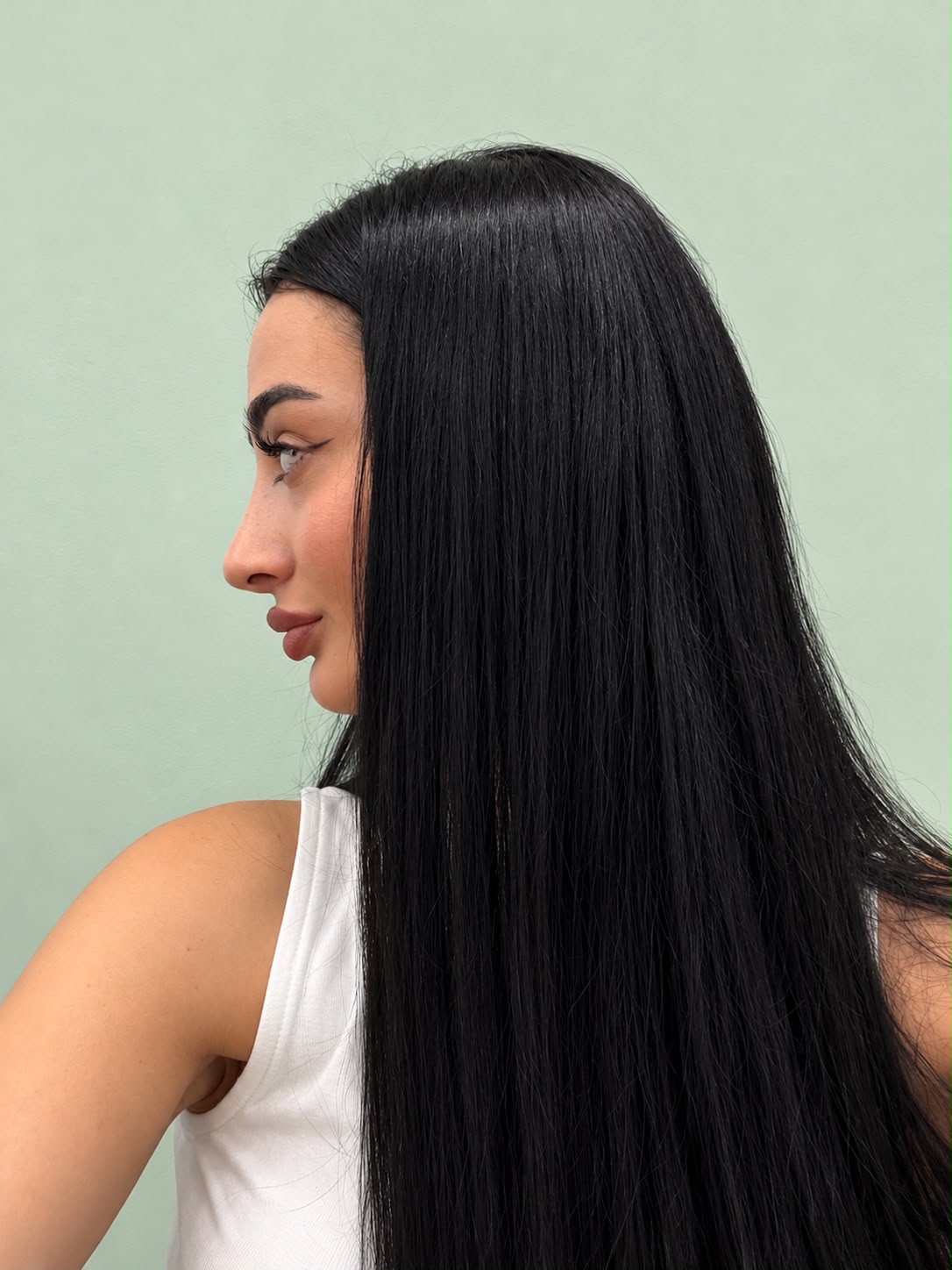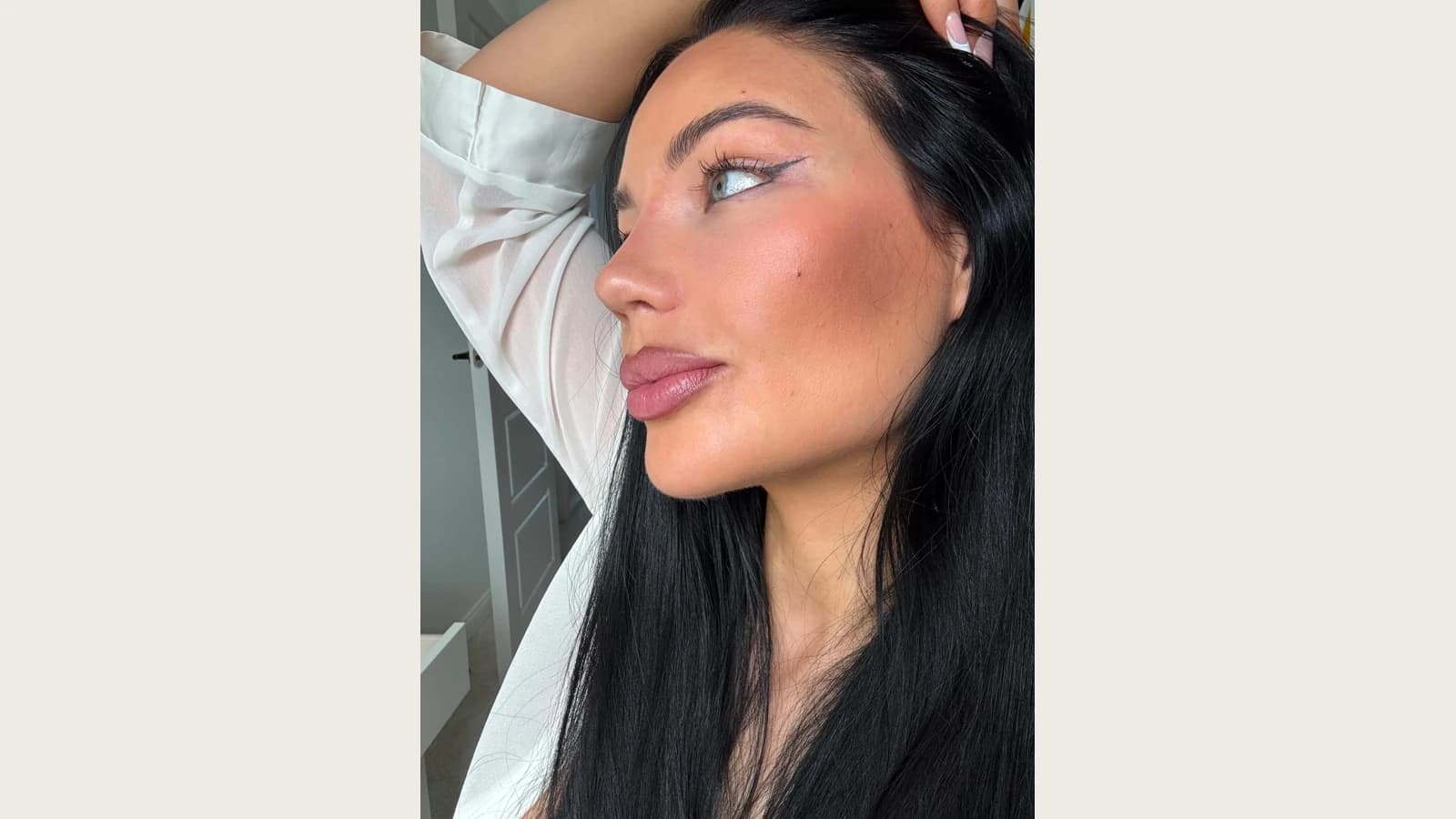
A round-looking tip after rhinoplasty is a description of appearance, not a diagnosis. Early swelling can obscure definition, but the visible shape also depends on the skin and soft-tissue envelope, the underlying framework and healing. The useful question is what is contributing to the fullness at this stage of your recovery.
Start with the location and the timing
Is the concern at the tip itself, just above it, or across the whole nose? Is it visible mainly from the front or also in profile? Note when you first noticed it and whether it is changing. These details help the surgeon assess the concern, but they do not allow a diagnosis from a photograph alone.
Fullness above the tip is not automatically the same issue as a broad tip. Nor does the word “bulbous” establish a complication or prove that the operation failed. The existing pollybeak and skin-thickness guides discuss related but distinct questions.
Swelling and the tissue covering
Early swelling can soften the outline and hide fine contours. The fact that bruising has faded does not mean the tip has reached its settled appearance. Skin thickness also influences how the underlying structure is expressed at the surface. A thicker covering can make some changes less conspicuous; it does not by itself determine whether a result is good or poor.
These are possible contributors, not explanations to assign remotely to every patient. Feeling firmness or seeing a rounded contour is not enough to identify scar tissue. The surgeon needs to consider the operation, the examination and change over time.
Structure and healing need to be assessed together
Tip shape also relates to the supporting framework. Removing more tissue is not a universal answer to fullness: the assessment must include support, proportion and breathing. A clinician may need to distinguish ongoing swelling from a persistent structural or scar-related concern. More than one factor can be present.
Do not use another person's postoperative photographs to decide that you need revision. Their anatomy, procedure and follow-up interval may differ from yours. Ask what findings would justify observation, a further examination or discussion of treatment, and what uncertainty remains.
Prepare a useful review
Bring the date of the operation, the available procedure summary and comparable photographs if your team requests them. Explain any change in breathing, discomfort or asymmetry as well as the cosmetic concern. Ask:
- Which tissues or structures appear to contribute to the fullness?
- What change is reasonable to observe before the next review?
- What would make you reassess sooner?
- If treatment is proposed, what is its purpose, risk and alternative?
Avoid self-directed massage, forceful taping or requests for an injection based only on an online description. A treatment should follow an individual assessment.
When to contact the team promptly
A concerning new change or worsening pain, bleeding or breathing warrants direct clinical advice. Severe breathing difficulty or heavy uncontrolled bleeding requires urgent help. Do not wait for the nose to “settle” when symptoms are worsening.
For whole-nose swelling and the broader recovery timetable, use the existing recovery guide. This article addresses why the tip looks full and how to make its assessment more useful.
Continue your research
Rhinoplasty Team Turkey
Continue your research
Rhinoplasty Team Turkey