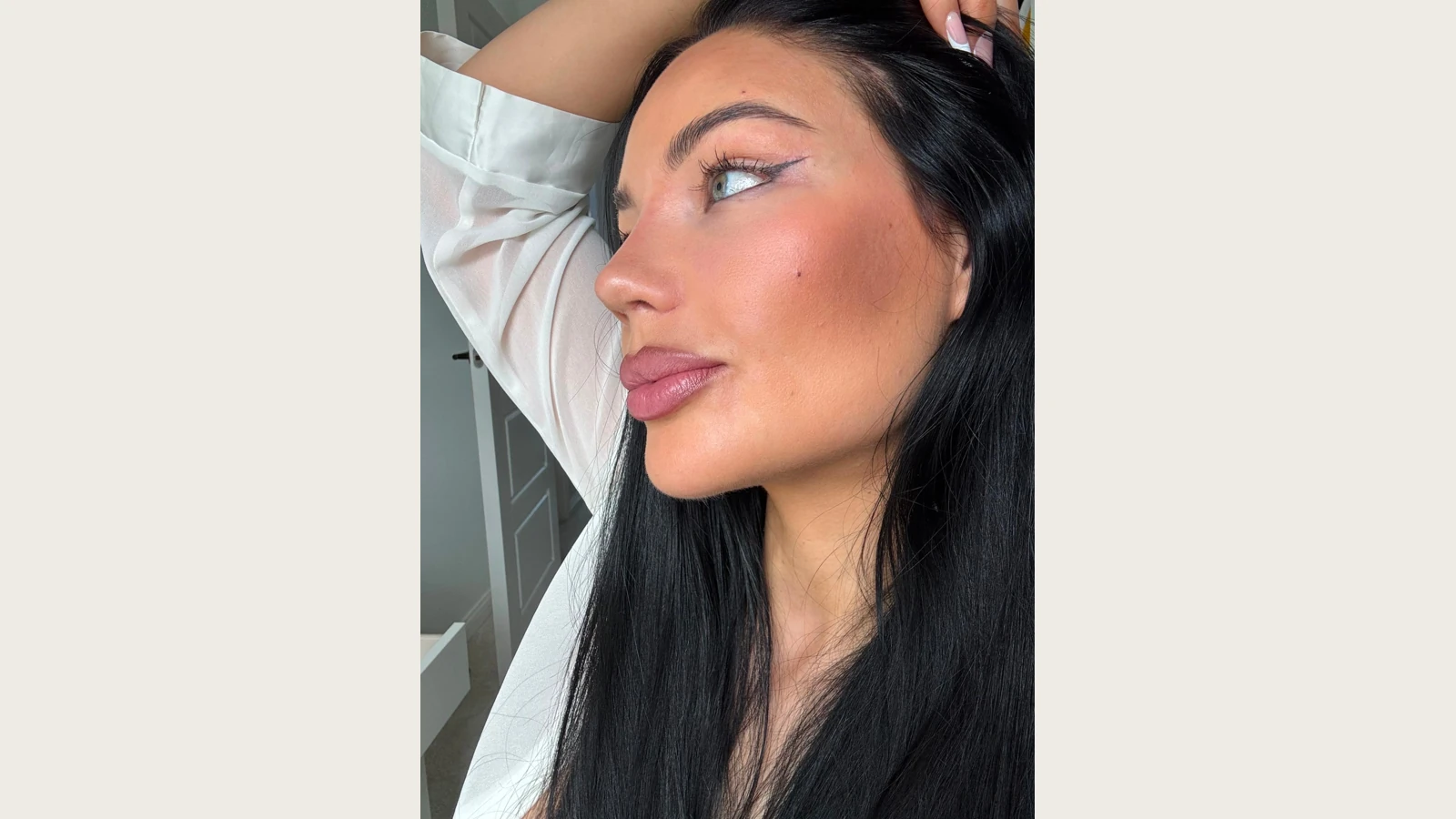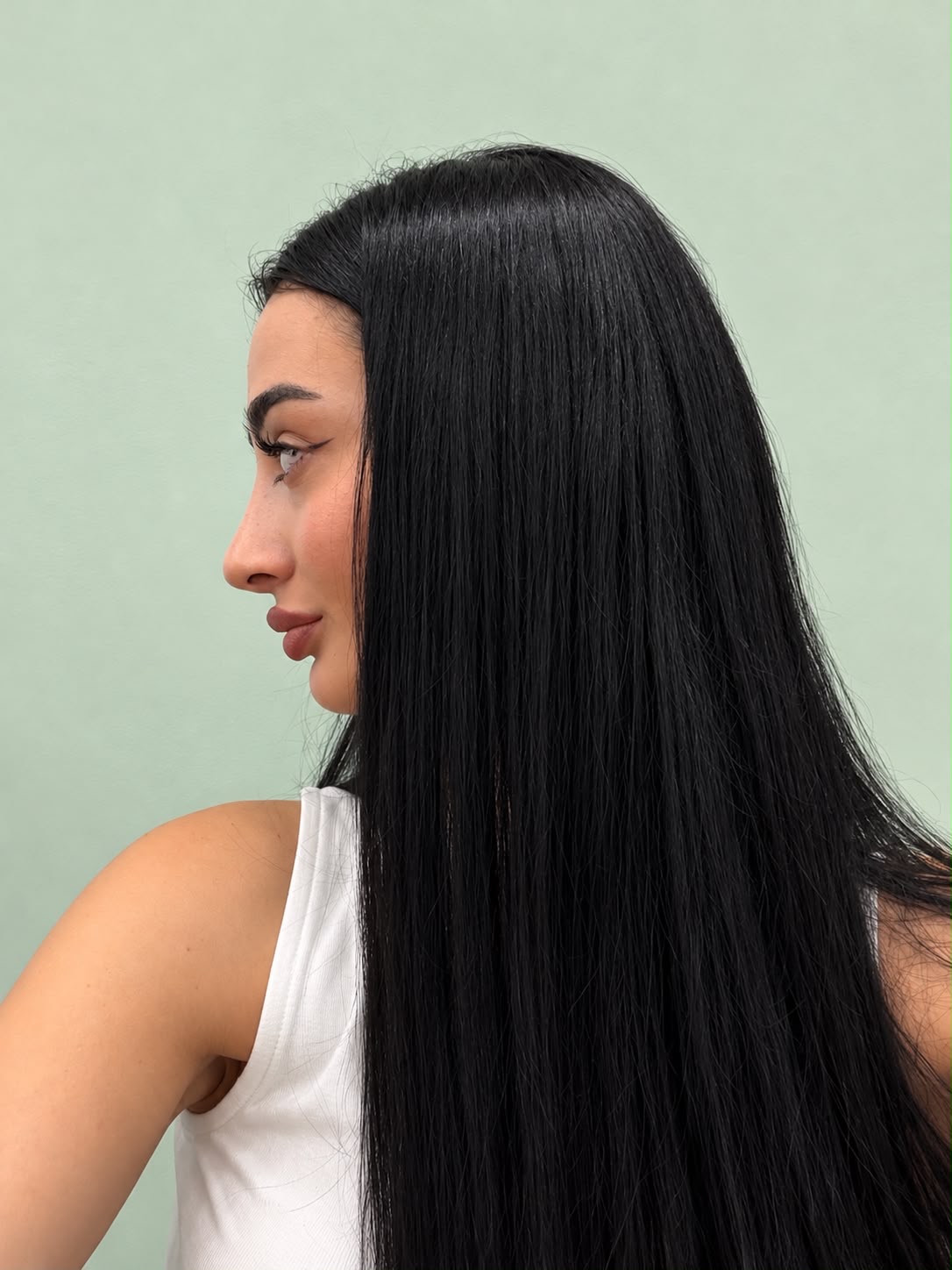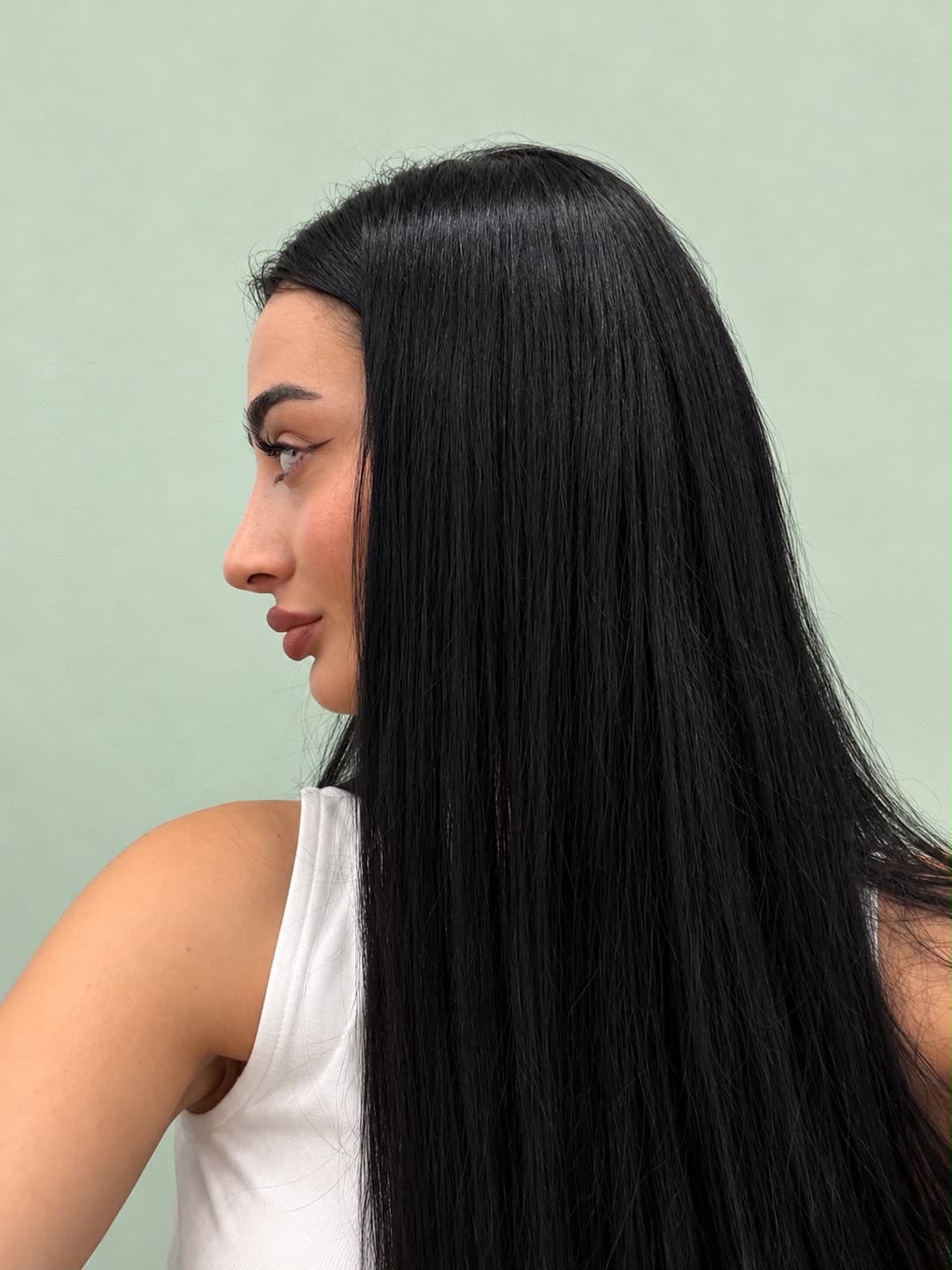
The nasal tip can look and sit differently as recovery progresses. Understanding the difference between changing swelling, tip settling and persistent drooping can help you prepare for a useful surgical review.
The short answer
Some change in nasal tip position can occur after rhinoplasty, but the tip does not inevitably droop, and there is no standard amount that every patient should expect. Swelling can change its visible outline, while the position of the underlying framework may also change during healing. Neither an early photograph nor another patient's experience predicts your final result.
Research comparing methods of supporting the tip has recorded changes from the immediate postoperative position, with different patterns between techniques. Those findings support an individual assessment, not a promise that every initially upturned nose will settle into a particular shape. Read the original tip-support study.
What do people mean by “tip droop”?
The phrase can describe several different observations:
- Rotation: whether the tip points more upwards or downwards in profile.
- Projection: how far the tip extends forwards from the face.
- Definition: how clearly its contours show through the skin and soft tissue.
A tip that looks less swollen is not necessarily a tip that has moved downwards. Likewise, a change in projection is different from a change in rotation. These distinctions matter when describing a concern to your surgeon.
Use these descriptions to explain what you have noticed, rather than trying to diagnose the change from an angle measured on a selfie.
Why can the tip look high or unfamiliar at first?
The view after splint removal is an early recovery view. Swelling can obscure the contours, and the visible relationship between the bridge, tip and upper lip can continue to evolve.
The American Society of Plastic Surgeons explains that early swelling usually decreases over the early weeks, while finer changes can take up to 1 year. Swelling may also fluctuate and appear more noticeable in the morning. These are broad patterns, not a forecast for a particular nose. ASPS recovery guidance.
The intended surgical change also matters. If rotation was part of the agreed plan, the early appearance needs to be interpreted in that context. Ask what was changed and what your surgeon expects to monitor. Do not assume that a high-looking tip was deliberately over-rotated, or that it is guaranteed to move down by a certain amount.
How long does the nasal tip take to settle?
There is no separate “tip-droop date” that applies to everyone. General recovery guidance describes a long period of change, but sources use different intervals for swelling and final appearance.
Hull University Teaching Hospitals advises that postoperative swelling commonly takes 6 to 12 months to settle before the final shape becomes apparent. BAAPS notes that the final result may take 12 to 18 months. These ranges provide context; neither is a personal deadline or a reason to postpone reporting a concern. Hull discharge information, BAAPS rhinoplasty information.
The operation performed, the tissues being treated and the progress seen at follow-up all matter. Your surgeon may recommend continued observation for an appearance concern while still wanting to examine it now.
For broader healing stages and everyday aftercare questions, see the rhinoplasty recovery guide.

Settling and persistent tip drooping are different questions
“Settling” is an informal description of the changes seen as a nose heals. It should not be used to dismiss every new or unwanted change.
Nasal tip ptosis is the clinical term for a drooping tip. Its assessment considers the tip's position and support, rather than simply how much swelling remains. Published surgical literature describes several possible contributors, including the cartilage framework and supporting structures. The term alone does not identify the cause in an individual or prove that a surgical error occurred. Clinical discussion of nasal tip ptosis.
A surgeon assessing an apparent droop may need to compare the current appearance with the agreed plan, examine the nose and consider changes in breathing. A photograph can help communicate the concern, but it cannot provide all of that information.
If the issue is fullness rather than position, the questions are different. Our guides to a bulbous or round tip and fullness just above the tip explain those neighbouring topics.
Is there a normal number of degrees or millimetres?
No universal figure can be taken from the available studies and applied to every patient. Research groups differ in their anatomy, operations, support techniques and measurement methods.
For example, the prospective nasal-angle study followed patients from a single surgeon's practice and compared 2 definitions of rotation. The authors highlighted inconsistency in how rotation is measured. A group average from that setting is not a target, a complication threshold or a prediction of how much your own tip will move. Study details.
The more useful question is: “Does the change you see fit my operation and stage of healing, and what will you compare at my next review?”
How to make a follow-up appointment useful
Describe the change without needing to diagnose it first:
- When did you first notice it, and was the change gradual or sudden?
- Does it concern the tip's angle, how far it projects, or its fullness?
- Have you noticed pain, discharge, a recent knock or a change in breathing?
- Which previous photographs or surgical records does the team want to review?
If photographs are requested, follow the team's instructions. Comparable views are more useful than a collection of differently angled selfies. Ask whether an in-person examination is needed, especially when symptoms have changed.
Do not push the tip down, massage it or begin a new taping routine to reproduce someone else's result. Follow the care plan supplied for your own operation and ask before changing it. General patient information also emphasises protecting a healing nose from knocks and leaving dressings or internal supports to the clinical team. Hull postoperative advice.
When should you contact the surgeon sooner?
A cosmetic question can usually be discussed through the planned review route, but concerning symptoms should not be dismissed as ordinary settling.
Contact the treating clinical team promptly for worsening pain, increasing redness or swelling, fever, unusual discharge or worsening nasal blockage. Cambridge University Hospitals specifically advises medical assessment when the nose becomes more blocked and sore or develops green, unpleasant-smelling discharge. CUH postoperative information, BAAPS warning signs.
Severe breathing difficulty, chest pain or heavy bleeding that does not stop needs urgent medical assessment. Seek local emergency care rather than waiting for a remote cosmetic review. These examples are not exhaustive; follow your discharge instructions and seek help for an unexpected or concerning symptom. NHS rhinoplasty guidance, BAAPS postoperative risks.
If you have returned home after surgery in Turkey, keep your treating team's details and procedure records accessible. Ask who will assess a concern locally if it cannot wait for your next visit. Practical coordination is not a substitute for clinical examination.
Frequently asked questions
My tip looks upturned. Will it definitely come down?
No. Early appearance can change, but the direction and amount cannot be guaranteed. Ask your surgeon how the current position relates to your surgical plan.
Does a lower-looking tip mean I need revision surgery?
Not necessarily. Start with an assessment of the cause, your symptoms and the stage of healing. Whether further treatment is appropriate, and when, are separate clinical decisions.
Should I wait 1 full year before mentioning a concern?
No. You can ask for a review during healing. Allowing time before judging an elective aesthetic outcome does not mean waiting to report an unexpected change or worsening symptoms.
The key point
A changing tip after rhinoplasty is not automatically a complication, but “it will settle” is not a diagnosis. Focus on the pattern of change, the operation you had and the findings at follow-up. An individual review is more useful than a universal droop measurement or recovery deadline.
General educational information only. This article does not diagnose a postoperative change or replace your treating surgeon's advice. Individual recovery and results vary.
Rhinoplasty Team Turkey
Continue your research
Rhinoplasty Team Turkey