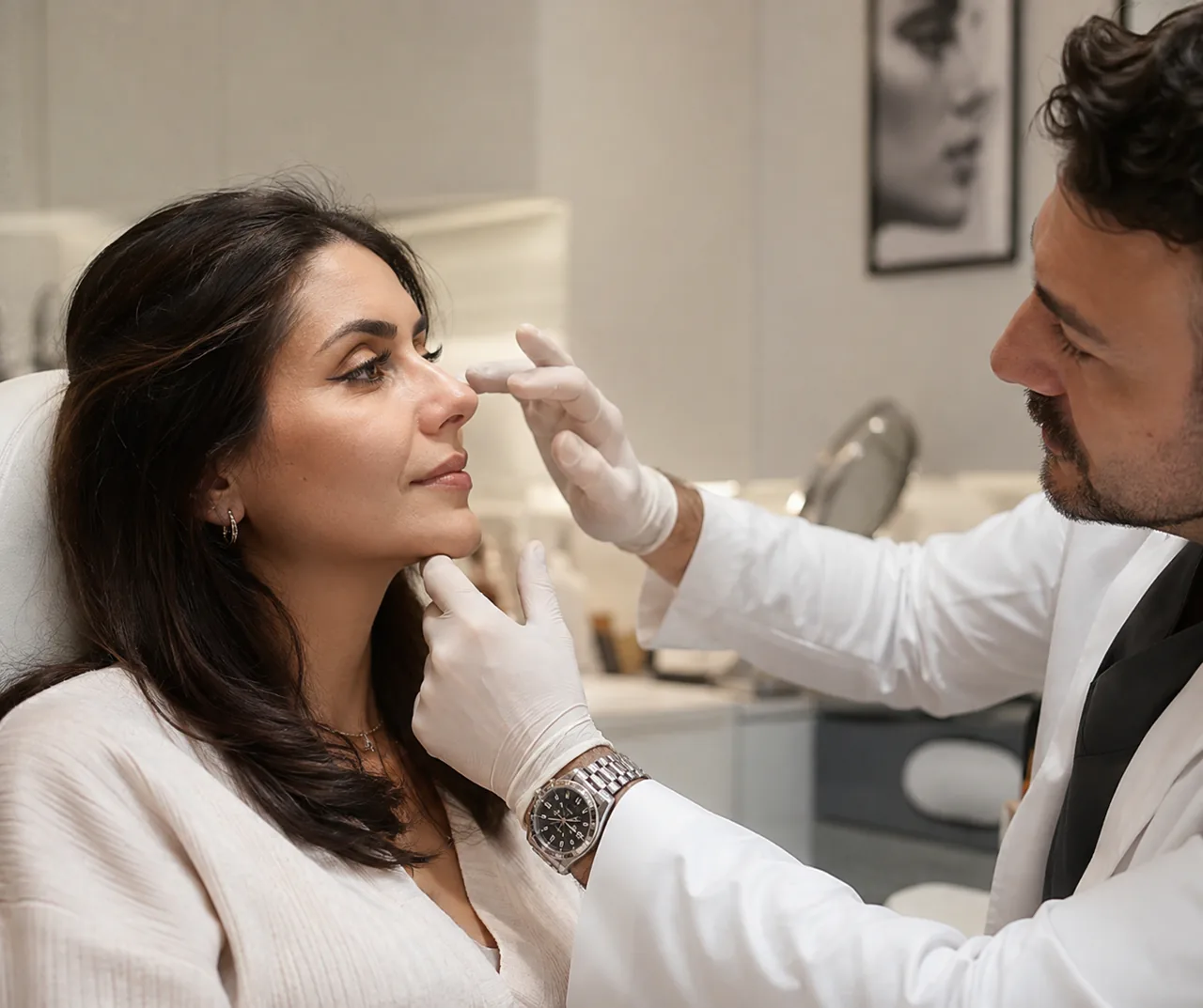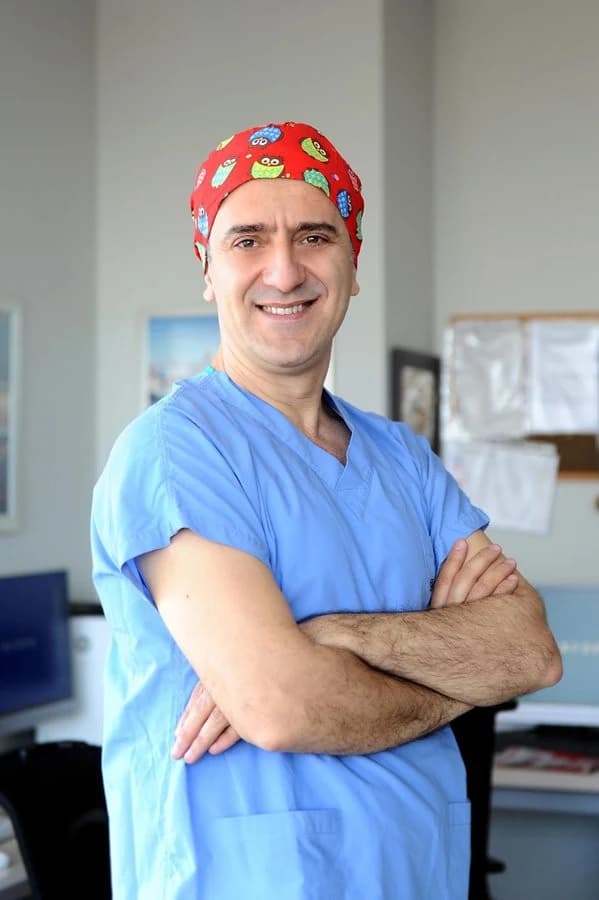
If your nose looks crooked and you also struggle to breathe through it, describe both concerns separately before asking for a procedure. When researching Muhammet Dilber, a useful consultation brief explains what you see, what you feel and what you would most like to change. A photograph cannot settle the relationship between those concerns.
Independent Rhinoplasty Team Turkey article. This doctor is not affiliated with or represented by Rhinoplasty Team Turkey.
Why these questions fit this research
Dilber’s official biography identifies him as an Istanbul ENT specialist with medical and specialist training at Bursa Uludağ University. His practice publishes separate information on rhinoplasty and nasal deviation. This supports a focused discussion of appearance and function, not an assumption that surgery is needed. The independent Dilber profile records the background.
Start with two short descriptions
For appearance, explain the view in which the concern is most noticeable: front, profile or underneath. Say whether it has always looked that way or whether you noticed a change after an injury or operation. You are reporting history, not diagnosing the cause.
For breathing, describe when the difficulty happens, whether it affects one or both sides and what you have already tried under medical advice. Include any prior nasal treatment. Avoid replacing that history with “I need septoplasty”; the consultation needs to establish what the problem is before naming its treatment.
Ask what the examination adds
Ask which finding explains each concern and what remains uncertain. If a septal problem is discussed, ask whether treating it is expected to change the outside of the nose. If reshaping is proposed, ask how breathing will be considered. Our septoplasty and septorhinoplasty comparison provides general background, not a recommendation for either operation.
A practical sentence is: “If I chose not to change the outside, which options would remain for the breathing problem?” You can also ask the reverse: “If I pursue the appearance change, what separate assessment does the breathing symptom still need?” These questions make the scope of a proposed combined procedure easier to understand.
Define improvement without demanding perfect symmetry
Tell the surgeon which visible change matters most in everyday life. Ask what degree of change is realistic, what might remain and how this will be explained before consent. Avoid assuming that a straighter-looking photograph proves improved airflow, or that an explanation of airflow resolves your appearance concerns.
Request that the agreed priorities and limitations be included in your consultation summary. An example is: “My main concern is the front view; the breathing symptom still requires examination.” This keeps an unresolved clinical question visible instead of letting it disappear into a cosmetic quotation.
Keep research and diagnosis separate
Patient stories can suggest questions, but they cannot establish your anatomy or the operation you need. Our functional nasal surgery article explains why breathing concerns deserve their own assessment. New or worsening symptoms should be assessed clinically rather than held back for a future cosmetic appointment.
Independent Rhinoplasty Team Turkey editorial information: Dilber is not affiliated with or represented by Rhinoplasty Team Turkey. This is not his advice or an evaluation of his outcomes. Sources checked on 11 October 2026: his official biography and nasal-deviation information; ASPS rhinoplasty consultation guidance. The two-part brief is an editorial tool, not his stated assessment protocol.
Rhinoplasty Team Turkey