
Researching Bahadır Çelik for rhinoplasty means looking beyond a procedure list. A patient needs to know who will assess the nose, what change is proposed, where surgery would occur and how care continues afterwards. Those answers should be specific to the person considering treatment.
Read the practice description in context
Bahadır Çelik’s official website presents a plastic, reconstructive and aesthetic surgery practice in Antalya and includes rhinoplasty and revision rhinoplasty among its services. This is the provider’s account of the practice. It does not independently verify current registration, case volume, operating facilities or an individual outcome. Check professional details through appropriate sources and confirm the current arrangements directly with the practice.
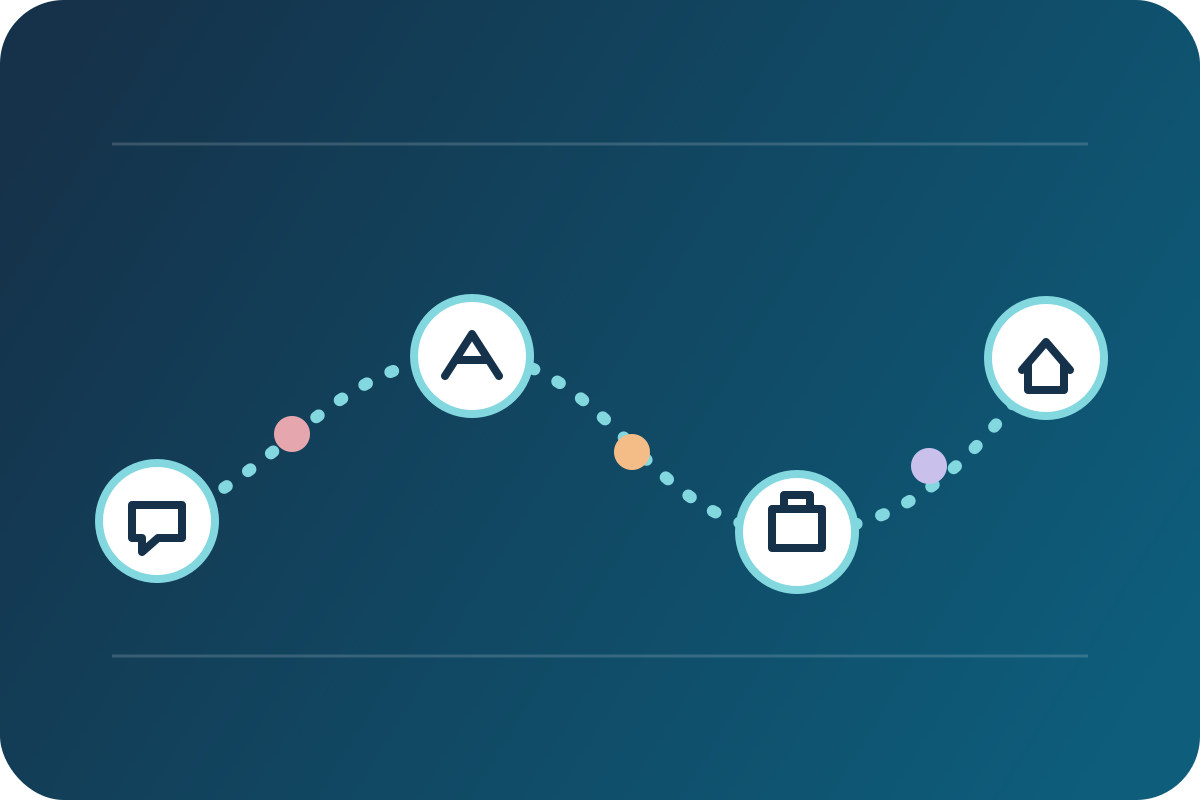
One coordinated journey
Preliminary contact, in-person assessment, treatment, early review and remote follow-up each have their own decision point. Travel is arranged around the confirmed clinical plan.

A broad surgical practice is not, by itself, a reason to accept or reject a rhinoplasty proposal. Ask about experience relevant to your concern: a first operation, previous surgery, an injury, an appearance goal or a breathing symptom. The surgeon research guide sets out neutral criteria for comparing consultations without ranking clinicians.
Look for a case-specific examination
Bring a short account of your medical and nasal history, what you hope to change and which features you want to preserve. Ask who will examine both the outside and inside of the nose, and how breathing will be considered if you raise it. The American Academy of Otolaryngology–Head and Neck Surgery guideline recommends discussing expectations and evaluating nasal airway obstruction before rhinoplasty.
Ask the surgeon to distinguish the requested result from the surgical steps proposed to pursue it. What is limited by skin, structure or existing asymmetry? Could examination change the preliminary plan? If you have had nasal surgery before, ask how prior treatment affects the options and uncertainty. Our primary versus revision explanation helps prepare those questions. A preferred photograph or a named technique cannot answer them alone.
Establish the clinical setting and responsibilities
Request the name of the facility where surgery would take place, who provides anaesthesia, who confirms the final plan and who handles a complication or urgent concern. Ask when you will meet the operating surgeon. The American Society of Plastic Surgeons’ rhinoplasty checklist includes questions about the facility, recovery, risks and complication management. These are useful questions in any country, although local licensing and professional systems differ.
If you are travelling internationally, separate clinical arrangements from transport and accommodation. Ask which in-person reviews are planned before departure and who can assess a problem after you return home. The NHS advises researching aftercare before cosmetic surgery abroad. The patient journey and recovery guide can help you organize your questions; neither describes what Dr Çelik’s practice includes. Obtain its own written plan and individualized flight advice.
Use images, reviews and quotations carefully
Ask whether example photographs show comparable views, what stage of healing they depict and whether consent allows them to be shared. A selected case cannot predict another patient’s outcome. Check whether reviews are identifiable and dated, and distinguish comments about coordination from evidence about clinical suitability.
Request a current written quotation that identifies the clinical service, facility, anaesthesia, follow-up, travel items and exclusions. Confirm payment and change terms with the provider before booking. A price copied from a forum or an older review may omit essential parts of a different plan.
Questions patients often ask
Does a plastic-surgery specialty label tell me which rhinoplasty plan is right?
No. Training and registration are worth verifying, but the proposal still needs to fit your examination, history, priorities and functional concerns.
What if an online assessment and the in-person plan differ?
Ask who makes the final clinical decision, how any change will be explained and what choices you have before consenting. Online images are a starting point, not a final examination.
Is recovery support included in a travel package?
Do not assume it is. Ask for the exact review schedule, clinical contact route after departure and the written list of included and excluded services.
Sources and further reading
- Bahadır Çelik official practice website — self-published specialty, location and service descriptions only.
- American Academy of Otolaryngology–Head and Neck Surgery Foundation — clinical practice guideline on nasal form and function after rhinoplasty.
- American Society of Plastic Surgeons — rhinoplasty consultation questions.
- NHS — cosmetic surgery abroad and aftercare guidance.
Patient community research
Looking for a Bahadır Çelik Patient WhatsApp Group?
Prospective rhinoplasty patients sometimes look for WhatsApp, Facebook, Telegram or other communities to discuss consultation, travel and recovery experiences.
This website does not provide or claim an official patient group. We have not verified an official community; this does not mean that no group exists.
Third-party groups may not be operated by the surgeon or clinic. Verify medical advice, booking arrangements, pricing and surgery information directly with the relevant provider. Do not send money or sensitive medical documents to unknown group members. Fake accounts and misleading medical information can circulate even in private groups.
Private-group experiences cannot always be independently verified. Use community discussions alongside direct consultations and reliable public information, rather than as the only basis for choosing treatment. Rhinoplasty Team Turkey does not operate or represent a competitor’s patient group.
Rhinoplasty Team Turkey
Continue your research
Rhinoplasty Team Turkey