
“Failed rhinoplasty” is a patient’s description of an unwanted appearance, a breathing problem or both; it is not a diagnosis and does not by itself prove that anyone made an error. Correction starts by defining the concern precisely, checking whether the nose is still changing, and examining appearance and function together. A photograph or online opinion cannot establish which treatment, if any, is appropriate.
This guide explains the decision process rather than promising a result. For the structural differences from a first operation, read primary versus revision rhinoplasty. The revision rhinoplasty questions guide can help you prepare for a consultation.
One coordinated journey
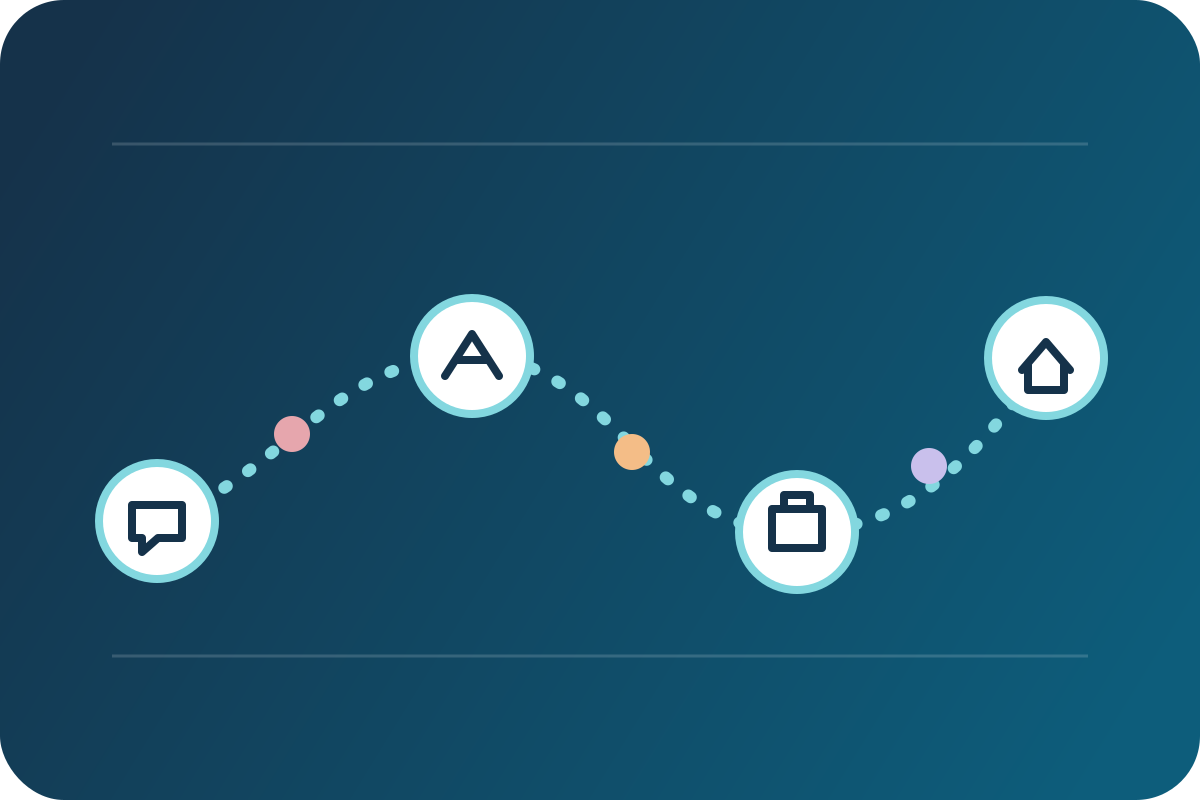
Preliminary contact, in-person assessment, treatment, early review and remote follow-up each have their own decision point. Travel is arranged around the confirmed clinical plan.

First separate healing from a persistent problem
An operated nose can look broader, uneven, raised or less defined during early healing. Swelling often improves substantially over the first weeks, but the contour can continue to refine for many months and sometimes up to a year. Swelling may also fluctuate. These general patterns do not prove that every concern will disappear, and they do not give an individual final-result date.
Record what you notice in neutral terms: the location, when it began, whether it changes through the day, and whether it is improving, stable or worsening. Compare photographs taken with similar distance, lens, angle and light. A close phone photograph, a cast-removal image and a social-media comparison can each exaggerate different features.
Breathing deserves its own description. Note whether obstruction is on one or both sides, constant or variable, new since surgery or present before it. The recovery timeline gives context for normal change, but a clinician must decide whether a symptom belongs to expected healing or needs investigation.
Warning signs should not wait for a revision timetable
Contact the treating team promptly for severe or increasing pain, unexpected symptoms, fever, spreading redness, concerning discharge, a sudden change in the nose or worsening blockage. Heavy or uncontrolled bleeding, severe difficulty breathing, collapse or another medical emergency requires immediate local emergency care.
Do not wait months for the nose to “settle” when symptoms are acute or worsening. Do not remove packing, manipulate the nose, start massage or taping, or use medicines or injections because an online account recommends them. Follow the instructions for your operation and seek an examination when advised.
What a specialist assessment should cover
A useful consultation starts with your main priorities, not a technique name. Bring the operation date, operative report if available, discharge and follow-up records, previous nasal procedures or injuries, medicine and health history, and consistent photographs from before and after surgery. Explain which change matters most and what improvement would be meaningful to you.
The examination should consider skin and soft tissue, scar behaviour, support, symmetry, nasal bones and cartilage, tip and nostril relationships, the septum, valves and the airway. Appearance and breathing are connected, so a cosmetic complaint should not make functional assessment disappear. Depending on symptoms, further examination or testing may be appropriate.
Ask the specialist to distinguish observations that may still change from findings thought likely to persist. The plan should name the problem it is intended to address, what cannot be reliably changed, and how the proposal could affect breathing as well as appearance. The functional rhinoplasty page explains the service goal; it is not a diagnosis for an individual nose.
Correction does not always mean the same operation
For a changing early contour without a concerning finding, observation and scheduled follow-up may be the safest course. A limited, well-defined concern may sometimes allow a focused correction. A nose with loss of support, substantial asymmetry, airway compromise or several interacting problems may require broader structural revision. Occasionally the most responsible recommendation is not to operate because the expected benefit is too uncertain or the risk outweighs it.
Non-surgical measures are not universal shortcuts. An injection or filler can introduce its own risks, may obscure the underlying problem and cannot rebuild every structural deficit. It should not be used to avoid diagnosis or offered from photographs alone. Ask who would perform any procedure, why it suits the specific finding, whether the effect is temporary, and how it could affect later surgery.
A revision plan may use an open or closed approach, reshape existing structures, release or reposition scarred tissue, improve support, or address the septum and nasal valves. Those are possibilities, not a menu from which a patient or article can select the correct operation. Read the revision rhinoplasty service page for an overview, then seek case-specific advice.
Rib cartilage is not required for everyone
Revision surgery sometimes needs graft material to replace support or rebuild a structure. Available septal cartilage may be sufficient in one case; ear cartilage, rib cartilage or another planned material may be considered in another. The choice depends on what is missing, the amount and shape of support required, earlier surgery and the condition of potential donor sites.
Rib cartilage can provide a larger, stronger supply, but that does not make it the default for every revision. Harvest adds a donor site and its own trade-offs; grafts also have risks such as visibility, displacement, resorption or warping. Ask what structural task a graft must perform, why the proposed source suits that task, which alternatives exist, and what happens if the expected material is not available.
Timing is personal, not a calendar rule
Revision is commonly deferred until swelling and scar tissue have matured enough for a more reliable examination and plan. The AAO-HNS guideline uses at least 12 months after rhinoplasty as a point for documenting stable or resolved concerns about breathing and satisfaction with appearance. That outcome-measurement point is not a universal command to schedule every revision at exactly 12 months.
Timing depends on the procedure performed, tissue condition, change over time, functional symptoms, the proposed correction and the reason for intervening. Some problems require earlier assessment; assessment does not automatically mean immediate surgery. Ask what the clinician is waiting to observe, what would make the plan change, and how symptoms will be managed safely in the meantime.
Understand limits and added risks
Previous surgery can leave scar tissue, altered blood supply, missing or weakened support and fewer predictable tissue planes. That can make revision less predictable than a first operation. A technically possible change may still be unwise if it threatens skin, support or breathing. Perfect symmetry, a copy of another nose and a guaranteed return to the preoperative nose are not realistic promises.
Risks discussed for rhinoplasty include bleeding, infection, anesthesia complications, poor wound healing or scarring, altered sensation, persistent swelling, septal perforation, breathing difficulty, graft-related problems, an appearance that remains unsatisfactory and the possibility of further surgery. Your personal discussion should cover how prior operations and any donor site alter that list.
Use the consultation to test whether expectations and limits are shared. Ask the specialist to describe the intended improvement without guaranteeing it, the most important residual imperfection to expect, the effect on airway function, and the contingency plan if healing differs from the plan.
Build a calm second-opinion process
A second opinion is reasonable when the concern is complex, the explanation is unclear or a major revision is proposed. Share the same records and priorities with each clinician so that differences in advice are meaningful. Look for a structured examination, a specific problem list, alternatives including no operation, and a clear account of limitations and follow-up.
Do not use the consultation to assign blame to a previous clinician, and be cautious when anyone does so without records and examination. Equally, “wait” should come with a reason, a review point and urgent-contact instructions. Keep communication factual and preserve your records.
Useful questions include:
- Which findings may still be healing, and which appear persistent?
- Is the main problem aesthetic, functional or both?
- What exact change is proposed, and what is deliberately being left unchanged?
- Is grafting needed; if so, what job will it do and why is that source preferred?
- Why is this the right time to act or continue observing?
- Which risks are higher because of earlier surgery, and who provides follow-up if I travel?
Frequently asked questions
Can swelling look like a bad result?
Yes. Early and fluctuating swelling can hide definition or create apparent unevenness. That does not mean every concern is swelling. Compare consistent records and ask the treating team to examine a change that is persistent, worsening or accompanied by symptoms.
Does a breathing problem always require another operation?
No. Obstruction has more than one possible cause, and treatment depends on examination. New, severe or worsening breathing difficulty needs prompt assessment. The existence of a symptom does not select a surgical technique.
Must I wait one full year before asking for help?
No. Concerns and warning signs can be assessed earlier. Many definitive revisions are deferred while tissues mature, but the reason and timing are individual. Urgent symptoms should never be postponed to satisfy a routine revision interval.
Will I need rib cartilage?
Not necessarily. Graft need, amount and source follow from the structural problem. Septal or ear cartilage may suit some tasks; rib may be considered when greater material or strength is required. Only an examination and operative plan can answer the question for you.
Can a revision guarantee the result I originally wanted?
No. Revision may improve a defined problem, but previous surgery and healing place limits on predictability. A responsible plan explains the intended benefit, remaining limitations, functional effects, risks and alternatives without promising perfection.
Sources and scope
American Academy of Otolaryngology–Head and Neck Surgery Foundation: Clinical Practice Guideline—Improving Nasal Form and Function after Rhinoplasty; American Society of Plastic Surgeons: Rhinoplasty Recovery and Risks and Safety; NHS: Nose reshaping and cosmetic surgery safety information; Jiang et al., Revision Rhinoplasty (2021; PMID 34121943); Bussi et al., Grafting in revision rhinoplasty (2013; PMID 23853414). Sources reviewed 18 October 2026. This is general information and does not diagnose an individual result or replace urgent local care.
Rhinoplasty Team Turkey
Continue your research
Rhinoplasty Team Turkey